
An Accident in a Borrowed Car and Your Insurance
Free to compare
Whose Policy Pays When You Crash a Borrowed Car
You borrowed a friend's car to run an errand. You had an accident. Now you're staring at damage to a vehicle you don't own and wondering whose insurance handles the claim — yours, the owner's, or both. The confusion is structural: most drivers assume their own policy follows them into any car they drive, but that's not how auto insurance works.
Auto insurance attaches to the vehicle, not the driver. When you borrow someone else's car and have an accident, the owner's policy is primary. Their liability coverage pays for damage you cause to others; their collision coverage pays for damage to the borrowed car itself. Your own policy enters the picture only as secondary coverage if the owner's limits are exhausted, or if you're a listed driver on a household policy that now faces a claim.
“Auto insurance attaches to the vehicle, not the driver — the owner's policy pays first, even when you're behind the wheel.”

Find a Fair Rate After an Accident
Get My Accident History Insurance Quote$25,000–$50,000
State Minimum Liability Per Person
Most states require bodily injury liability between $25,000 and $50,000 per person. When you borrow a car and cause an accident, the owner's liability policy pays up to these limits first before your own policy is tapped.
NAIC 2023 Auto Insurance Database
How the Owner's Policy Responds First
The vehicle owner's insurance is the primary payer in a borrowed-car accident. Their liability coverage pays for injuries and property damage you cause to others. Their collision coverage pays to repair the borrowed car if they carry it. This happens regardless of who was driving at the time of the accident.
The owner files the claim with their own carrier. The claim appears on their record, not yours, even though you were the driver. Their premium will likely increase at renewal because the accident occurred in a vehicle they insure. This is the structural reality that surprises most borrowers: the person who lent you the car absorbs the insurance consequence.
If the owner's liability limits are too low to cover all damages, your own liability policy may be tapped as secondary coverage. If the borrowed car's damage exceeds the owner's collision deductible and limits, and you carry collision on your own vehicle, your policy may cover the excess. But these are secondary responses. The owner's policy always pays first.
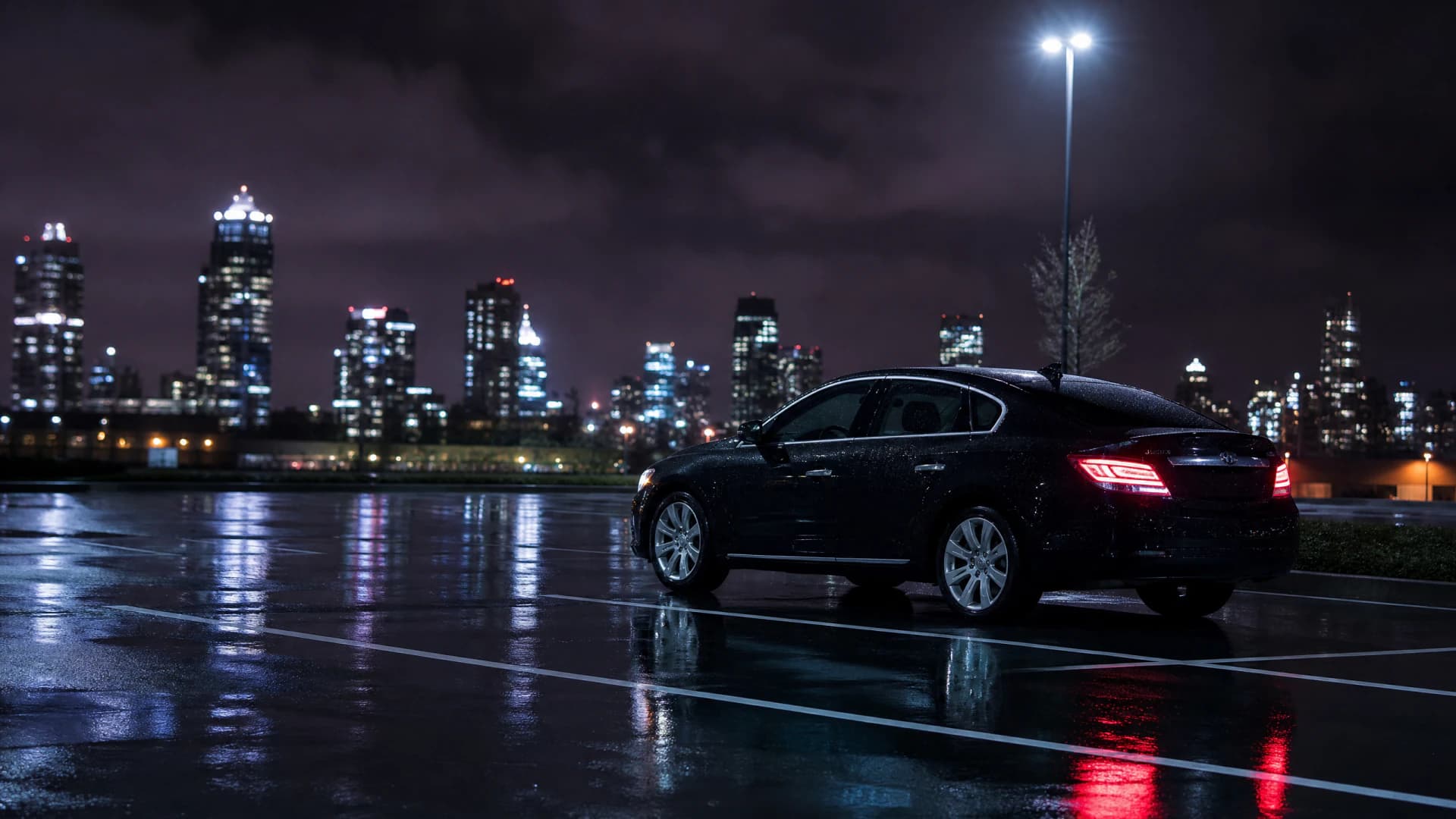
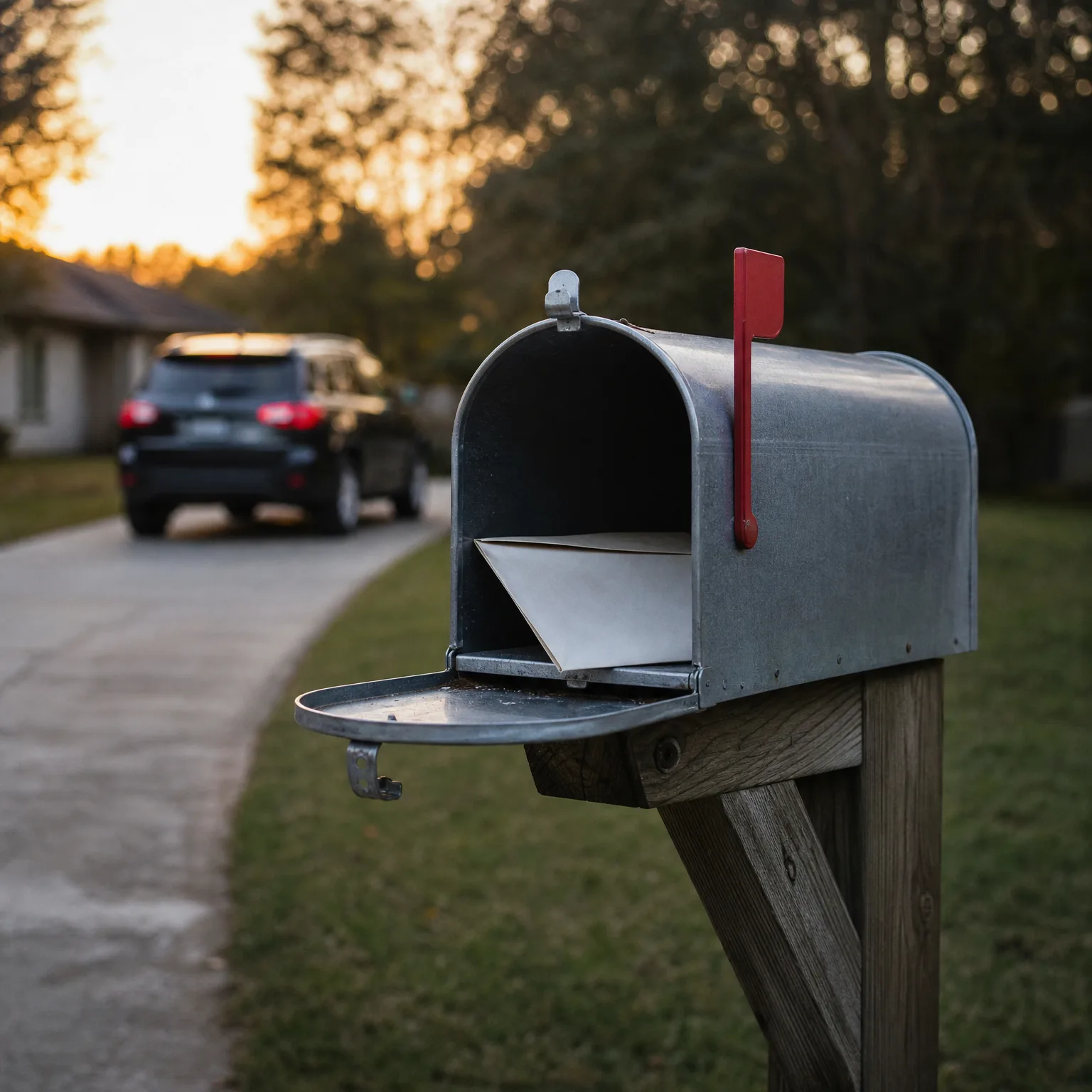
The accident files against the owner's policy and appears on their claims history, even though you were driving. Your own policy is secondary.
How Multi-Car Households Face Policy-Wide Re-Rating
Households insuring multiple vehicles on one policy face a structural quirk: one driver's accident re-rates every vehicle on the policy, not just the car they typically drive. When you have an at-fault accident in a borrowed car, the claim files against the owner's policy, but your own carrier still learns about it. At renewal, your household's multi-car policy is re-priced based on your new risk tier.
The re-rating applies to all vehicles because carriers treat a multi-car policy as one combined exposure pool. Your accident in a borrowed car signals higher risk for every vehicle you're listed to drive. The household premium increases across the board. This is why a borrowed-car accident can cost you more than you expected: the owner's premium goes up because the claim filed on their policy, and your own household premium goes up because you're the at-fault driver.
If you're not listed on any household policy and you carry only a non-owner policy or no policy at all, the borrowed-car accident does not directly affect your insurance. But you may still be personally liable for damages that exceed the owner's coverage limits. Non-owner policies provide liability coverage when you drive borrowed cars, but they do not cover damage to the vehicle you're driving.
21 carriers
Carriers Writing Non-Owner Policies
Seventeen carriers in the national roster write non-owner auto policies, which provide liability coverage when you regularly drive borrowed or rented cars but do not own a vehicle yourself. Non-owner policies do not cover damage to the borrowed car.
NAIC carrier licensing data

What Happens If the Owner Has No Insurance
If you borrow a car from someone who carries no insurance and you have an accident, your own liability and collision coverage become primary. Your policy pays for damage you cause to others and for damage to the borrowed car if you carry collision. The claim files against your policy, appears on your claims history, and will increase your premium at renewal.
This is the highest-cost scenario for the borrower. You absorb the full insurance consequence: the claim, the premium increase, and potential personal liability if damages exceed your limits. If you're on a household multi-car policy, the accident re-rates every vehicle you insure. If the borrowed car's owner later faces a lawsuit from an injured party, you may be named as a co-defendant because you were the driver.
Compare Coverage Before You Borrow
Before you borrow a car, confirm the owner carries liability and collision coverage. Ask what their limits are. If their liability limits are at the state minimum and you're driving in dense traffic or on a highway, you're exposed: a serious accident could exhaust their limits and tap your own policy as secondary coverage. If they carry no collision coverage, any damage to their car falls on you personally unless your own collision policy covers borrowed vehicles.
If you regularly borrow cars and do not own a vehicle, a non-owner policy provides liability coverage and protects you from personal exposure when the owner's limits are low. If you're listed on a household multi-car policy, understand that an accident in a borrowed car will re-rate your entire household policy at renewal, even though the initial claim files against the owner. Compare your household's current coverage limits and consider whether umbrella liability coverage makes sense if you frequently drive high-value borrowed vehicles.
When Your Own Policy Gets Involved
If you're listed on a household multi-car policy — for example, you and a spouse insure three vehicles together — the borrowed-car accident can affect your household premium even though it filed against the owner's policy first. Carriers re-rate multi-car policies based on each listed driver's claims history. When you have an at-fault accident in any vehicle, including a borrowed one, that claim follows you as a driver. At your next renewal, the carrier re-prices the entire household policy to reflect your increased risk, even though the borrowed-car claim didn't pay out from your policy.
If the owner's liability limits are too low and you caused significant damage, your own liability coverage pays the excess as secondary coverage. If the borrowed car's repair cost exceeds the owner's collision coverage and you carry collision on your own vehicle, your collision policy may cover the remainder. These secondary responses are rare but possible when damages are high and the owner's coverage is minimal.
Get Your Free Quote
Get My Accident History Insurance QuoteFrequently Asked Questions
Does my insurance cover me when I drive someone else's car?
Your insurance acts as secondary coverage only. The vehicle owner's policy is primary and pays first for any damage you cause or damage to their car. Your policy may pay if the owner's limits are exhausted or if you carry collision and their car's damage exceeds their coverage.
Will my premium go up if I have an accident in a borrowed car?
Yes, if you're listed on a household multi-car policy. The accident appears on your driving record and triggers policy-wide re-rating at renewal, even though the claim filed against the owner's policy. If you carry no policy or only a non-owner policy, your premium is not directly affected.
What happens if the car owner has no insurance and I crash?
Your own liability and collision coverage become primary. The claim files against your policy, appears on your claims history, and will increase your premium. If you carry no insurance, you are personally liable for all damages.
Does a non-owner policy cover damage to a borrowed car?
No. Non-owner policies provide liability coverage only, paying for damage you cause to others. They do not cover damage to the vehicle you're driving. If the borrowed car is damaged, the owner's collision coverage or your own collision policy must respond.
Can I be sued after an accident in a borrowed car?
Yes. If damages exceed the vehicle owner's liability limits and your own secondary coverage, injured parties can sue you personally. You may also be named in a lawsuit alongside the vehicle owner even when their policy pays the claim.