
GAINSCO After an Accident
Free to compare
The Renewal Notice You Weren't Expecting
You filed an at-fault accident claim with GAINSCO six months ago. The claim closed without issue. GAINSCO does not surcharge mid-term; the rate change or cancellation hits at renewal, which means the clock on your next move started the day that notice arrived.
GAINSCO writes non-standard auto insurance and specializes in drivers with accidents, violations, and lapses on their record. The carrier's underwriting tolerance is higher than standard-market carriers, but post-accident renewals are not automatic. When GAINSCO decides your risk profile no longer fits their book, they non-renew rather than price you out. Understanding how GAINSCO handles post-accident renewals—and what your options are if they don't offer one—determines whether you transition smoothly or lose coverage in the middle of a 30-day scramble.
“GAINSCO non-renewal notices are final—the carrier does not negotiate extensions or reverse underwriting decisions once issued.”

Find a Fair Rate After an Accident
Get My Accident History Insurance Quote$245–$275/mo
At-Fault Accident Premium
Drivers with one at-fault accident pay 43–55% more than drivers with clean records nationally. GAINSCO's base rates already reflect elevated risk, so post-accident surcharges compound on top of a higher starting point.
Insurance.com 2026 accident/ticket study + Bankrate 2025
How GAINSCO Applies Post-Accident Surcharges
GAINSCO applies accident surcharges at policy renewal, not mid-term. If your accident occurred in March and your policy renews in September, you will see the surcharge on the September renewal notice. The surcharge amount varies by state and by the severity of the claim—property-damage-only claims typically trigger smaller increases than bodily-injury claims—but the mechanism is consistent: GAINSCO re-rates your policy at renewal based on your updated loss history.
The surcharge period typically lasts three to five years from the accident date, depending on state law and the carrier's underwriting rules. During that window, the accident remains a rated factor on every renewal. Some states cap surcharge percentages or limit how long a carrier can rate an accident; others do not. GAINSCO's renewal offer will reflect your state's rules, but the carrier is not required to renew at all if your updated risk profile exceeds their underwriting appetite.
If GAINSCO decides not to renew, you receive written notice 30 to 60 days before your current term ends—state law sets the minimum notice period. That notice is not negotiable. GAINSCO does not reverse non-renewal decisions based on appeals or payment history. The 30-day window is your entire timeline to secure replacement coverage before your current policy expires.

GAINSCO non-renewal notices are final. The carrier does not negotiate extensions or reverse underwriting decisions once the notice is issued.

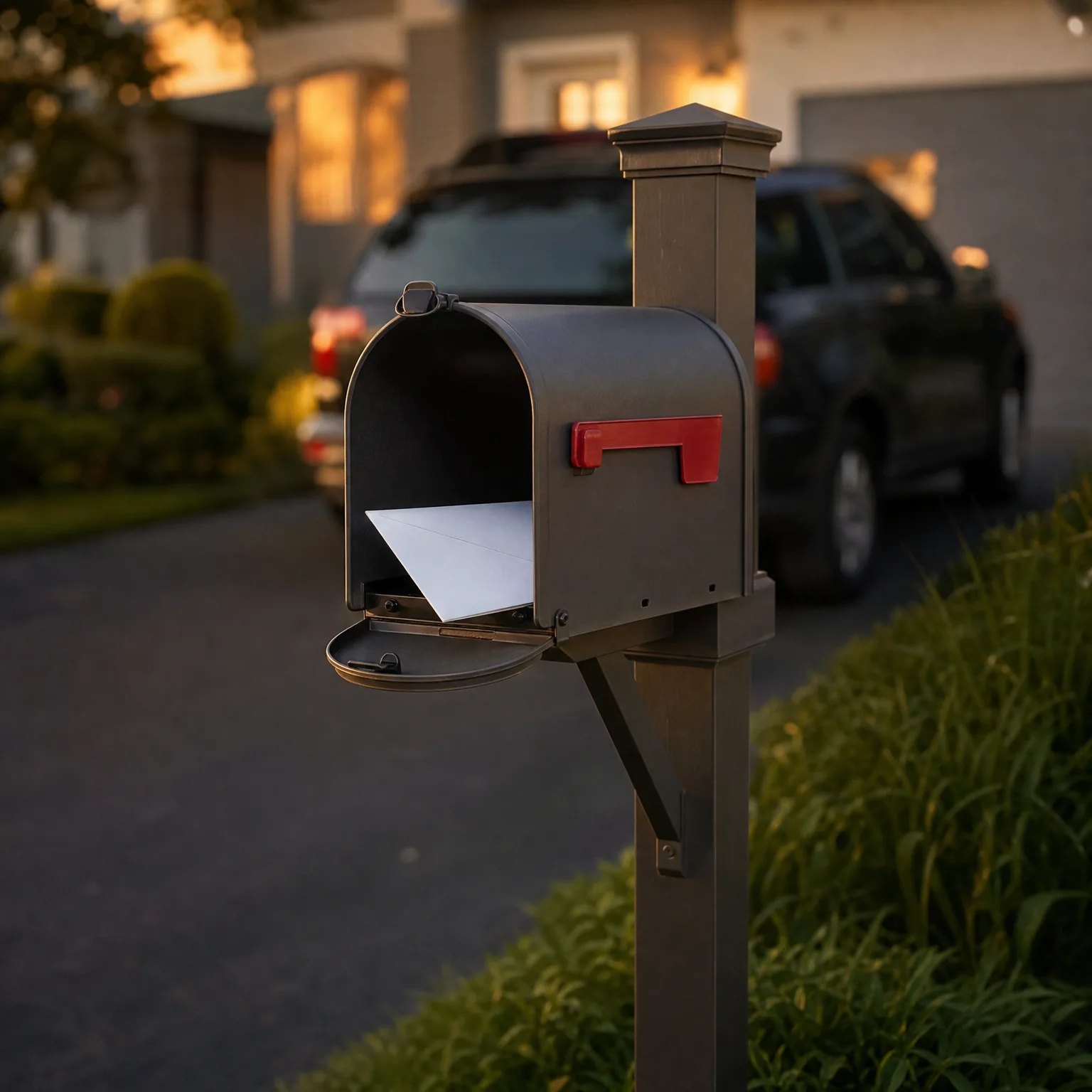





Your Options When GAINSCO Non-Renews
Start shopping immediately when the non-renewal notice arrives. Thirty days is a compressed timeline, and waiting until week three leaves you vulnerable to a coverage gap if the first two carriers you contact decline to quote or require additional underwriting time. Non-standard carriers that write post-accident drivers include Direct Auto, Acceptance Insurance, Dairyland, The General, Bristol West, and Infinity. These carriers specialize in drivers GAINSCO has non-renewed and expect applications with recent accidents on record.
Request quotes from at least three carriers. Post-accident rates vary widely by carrier and by state, and the lowest rate for a clean-record driver is not always the lowest rate for a driver with an accident. Some carriers apply flat-dollar surcharges; others apply percentage increases. A carrier with a lower base rate but a higher surcharge percentage can end up more expensive than a carrier with a higher base rate and a smaller surcharge. The only way to know which structure works in your favor is to compare actual quoted premiums side by side.
If you own multiple vehicles, confirm that the new carrier will write all of them on one policy. GAINSCO writes multi-vehicle policies; not all non-standard carriers do. Some carriers require separate policies per vehicle, which eliminates the multi-car discount and raises your total household premium. Ask explicitly during the quote process whether the carrier will bind all vehicles on a single policy and whether a multi-vehicle discount applies. If the answer is no, factor the loss of that discount into your cost comparison.
21 carriers
Post-Accident Carrier Count
Twenty-one carriers in the national roster write policies for drivers with at-fault accidents on record. Not all write in every state, and not all write multi-vehicle policies, but the roster is large enough that drivers facing GAINSCO non-renewal have options.
National carrier roster, verified writing counts

State Liability Minimums and Coverage Continuity
When you transition from GAINSCO to a new carrier, your new policy must meet your state's minimum liability limits from day one. Most states require 25/50/25 or 30/60/25 coverage, but a few require higher limits. If your GAINSCO policy carried higher-than-minimum limits—for example, 100/300/100—and you drop to state minimums with the new carrier to lower your premium, you are technically compliant but materially underinsured if another accident occurs. Liability limits are the coverage that pays the other party's damages when you are at fault; dropping limits after one accident increases your financial exposure if a second accident happens before the first one ages off your record.
Avoid coverage gaps between your GAINSCO policy expiration and your new policy effective date. A lapse—even one day—triggers a lapse surcharge with the new carrier, compounds your post-accident rate increase, and in some states resets the clock on how long the accident stays rated. Bind your new policy with an effective date that matches your GAINSCO expiration date exactly. Most carriers allow you to bind coverage up to 30 days in advance, which means you can lock in your replacement policy the same week the non-renewal notice arrives and eliminate gap risk entirely.
Compare Carriers That Write Your Profile
GAINSCO's non-renewal is not a reflection of your insurability—it is a reflection of the carrier's underwriting appetite at renewal. The non-standard market is large, and carriers that specialize in post-accident drivers expect applications with recent claims. Your next step is to request quotes from carriers that write drivers with your loss history and compare premiums, coverage options, and multi-vehicle discount availability. Start that process now, before your current GAINSCO term expires, and secure replacement coverage that fits your household's vehicles and budget.
What Triggers a GAINSCO Non-Renewal
A single at-fault accident does not automatically trigger non-renewal, but two at-fault accidents within three years often do. GAINSCO underwrites drivers with one major violation or one accident; multiple events in a short window push the risk profile into a category the carrier will not renew. Bodily-injury claims carry more weight than property-damage-only claims in this calculation. If your accident involved injuries and you have a prior speeding ticket or lapse on record, GAINSCO's underwriting system flags the combination as high-severity risk.
Non-renewal decisions are also driven by claims frequency, not just fault. If you filed two not-at-fault claims and one at-fault claim within 18 months, GAINSCO may non-renew based on frequency alone. The carrier's underwriting model treats multiple claims as a predictor of future claims regardless of fault assignment. Drivers who file frequent claims—even when the other party is cited—are statistically more likely to file again, and GAINSCO exits those policies at renewal rather than continuing coverage.
Get Your Free Quote
Get My Accident History Insurance QuoteFrequently Asked Questions
Does GAINSCO raise rates immediately after an accident?
No. GAINSCO applies accident surcharges at policy renewal, not mid-term. If your accident occurs in March and your policy renews in September, the surcharge appears on the September renewal notice. The carrier re-rates your policy based on your updated loss history at each renewal.
How long does a GAINSCO accident surcharge last?
Accident surcharges typically last three to five years from the accident date, depending on state law and the carrier's underwriting rules. During that period, the accident remains a rated factor on every renewal. Some states cap surcharge duration; others allow carriers to rate accidents for the full period the event remains on your motor vehicle record.
Can I appeal a GAINSCO non-renewal decision?
No. GAINSCO non-renewal decisions are final and are not reversed based on appeals, payment history, or customer tenure. Once the non-renewal notice is issued, you have 30 to 60 days to secure replacement coverage before your current policy expires.
What carriers write policies after GAINSCO non-renews me?
Non-standard carriers that write post-accident drivers include Direct Auto, Acceptance Insurance, Dairyland, The General, Bristol West, and Infinity. These carriers specialize in drivers with recent accidents and expect applications with loss history. Request quotes from at least three to compare premiums and multi-vehicle discount availability.
Will my premium go down after the accident ages off my record?
Yes, typically. Once the accident surcharge period ends—usually three to five years from the accident date—the event stops being a rated factor and your premium drops at the next renewal. The reduction amount depends on the carrier's rating structure and whether other violations or claims have occurred in the interim.
Does GAINSCO offer accident forgiveness?
GAINSCO does not advertise a formal accident forgiveness program. The carrier's underwriting model applies surcharges to at-fault accidents at renewal, and non-renewal decisions are based on the updated risk profile rather than forgiveness of the first event. Drivers seeking accident forgiveness should compare carriers that offer that feature explicitly.