
When the Settlement Leaves You Holding the Loan
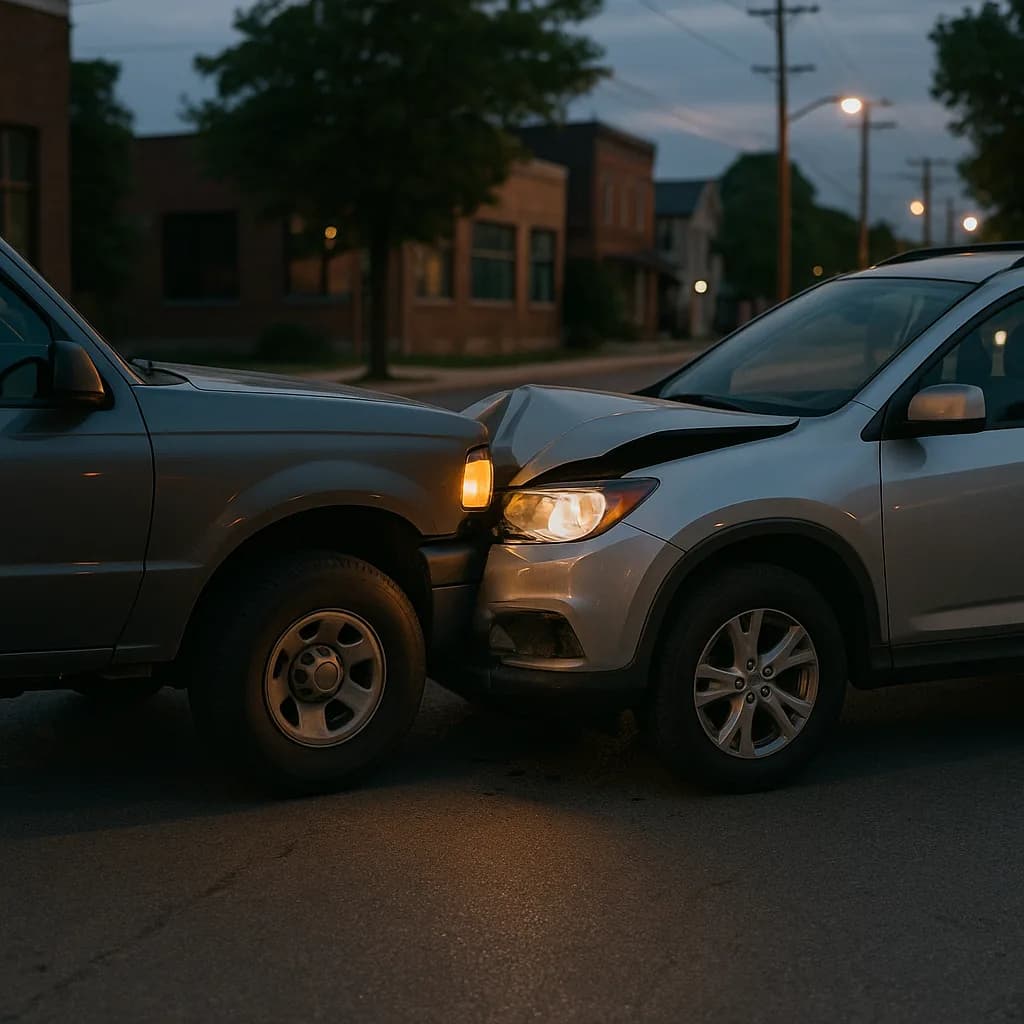
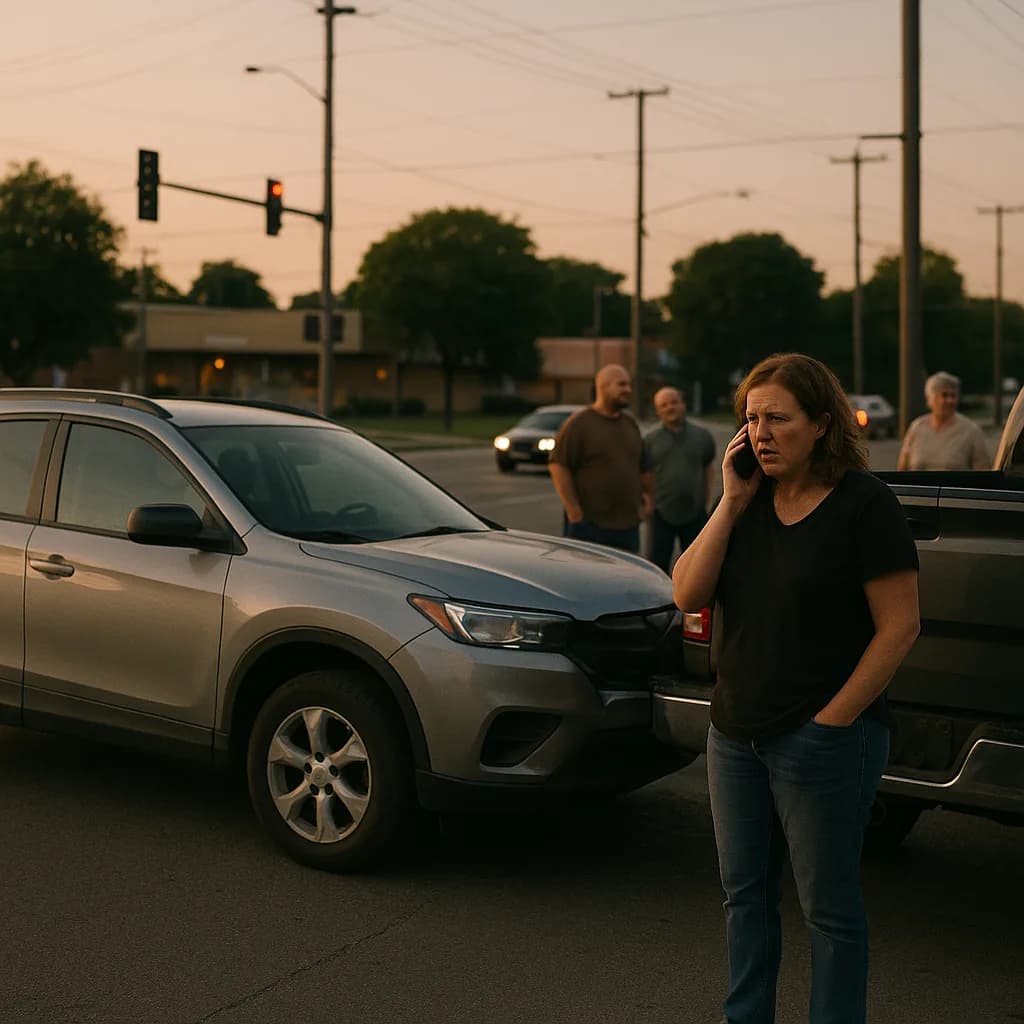
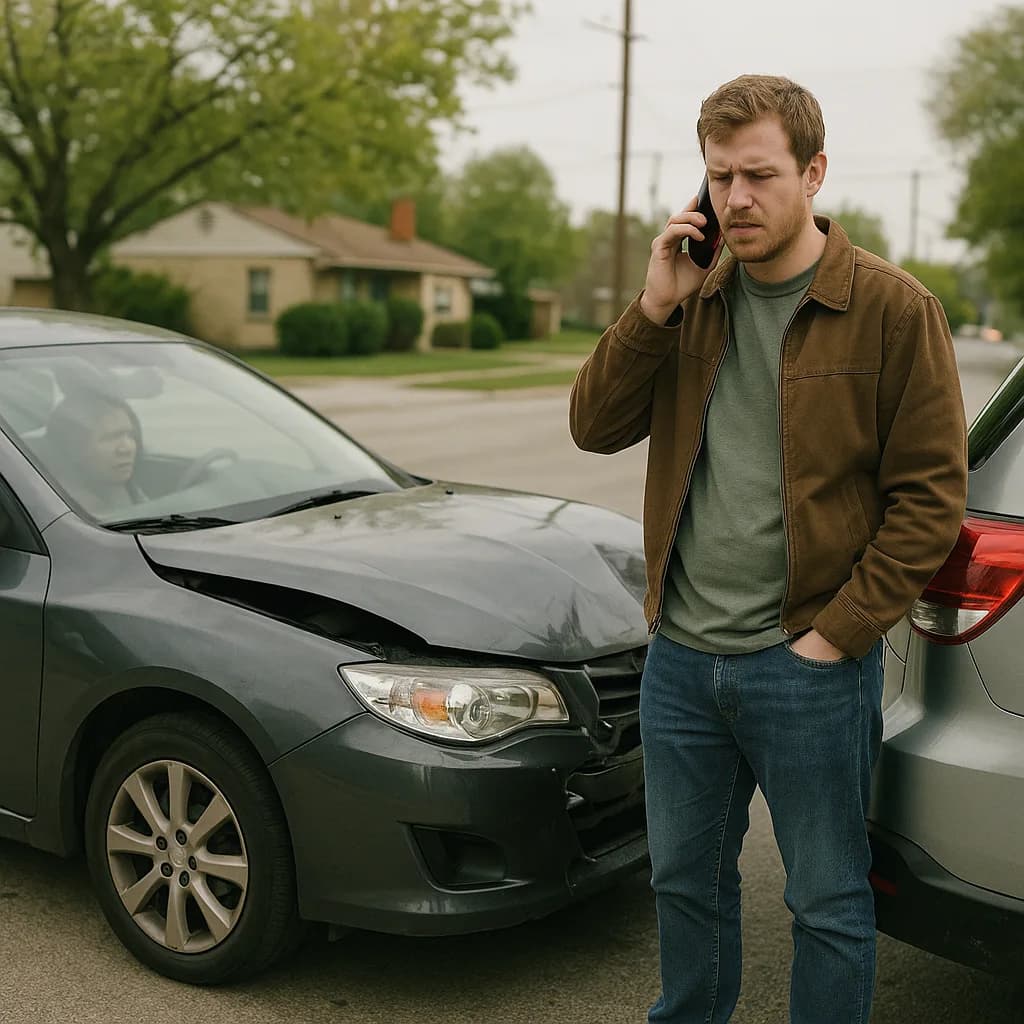
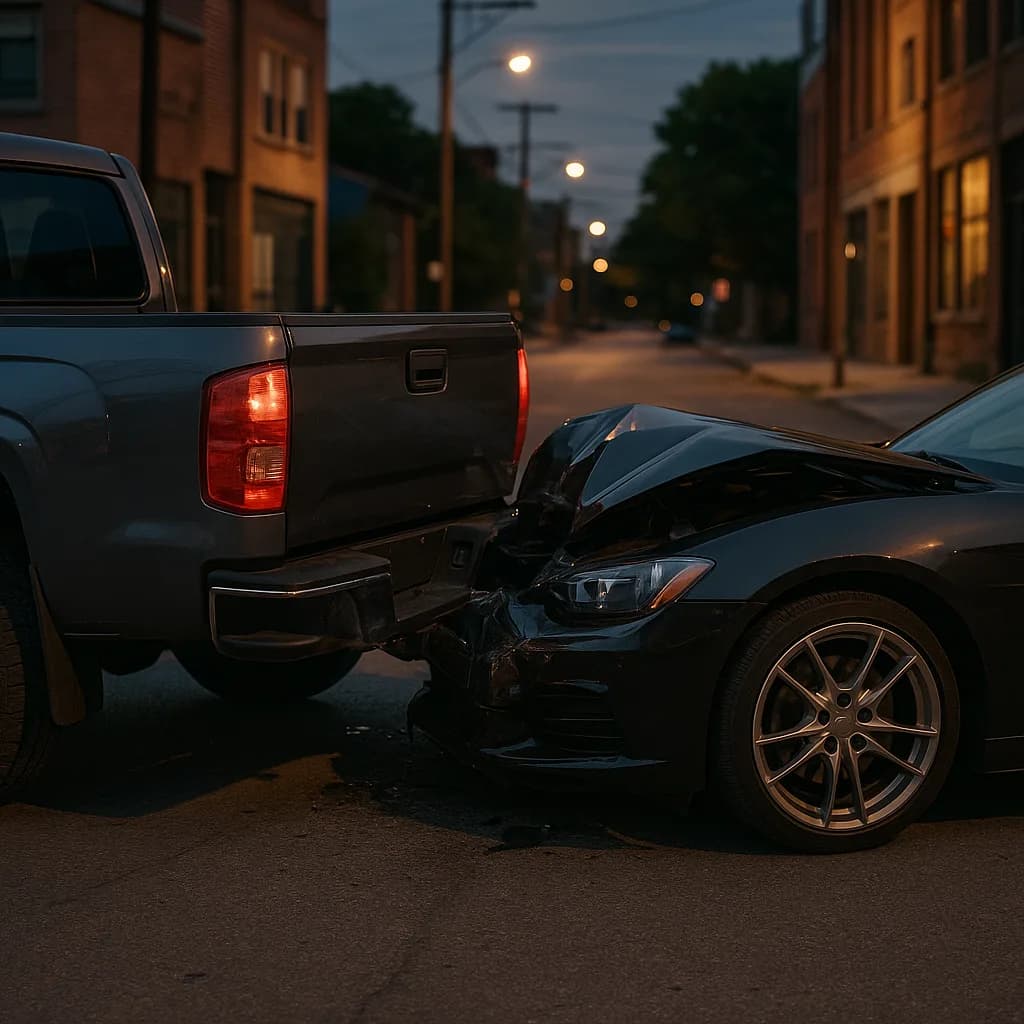
Your car was totaled in an accident. The carrier paid actual cash value — the depreciated market value at the time of loss — and closed the claim. The loan didn't disappear with the car. You're paying off a vehicle you can no longer drive, and you need another car immediately.
This is the gap. Gap insurance — Guaranteed Asset Protection — covers the difference between actual cash value and your remaining loan or lease balance when your car is totaled or stolen. It pays what collision and comprehensive won't: the portion of your loan that exceeds the car's depreciated worth. But gap coverage only works if you bought it before the accident. After the total loss, the policy window has closed.
Compare car insurance rates in your state
Get quotes from licensed carriers — no obligation, no spam, results in minutes.
Get Your Free QuoteAverage Gap After Total Loss
Gap Coverage Attaches to the Vehicle Before Loss
Gap insurance is a product you add to your auto policy or purchase through your lender at the time you finance or lease the vehicle. It attaches to the specific car. When that car is totaled, gap coverage triggers — if it was in force at the time of the accident. You cannot buy gap insurance retroactively. The underwriting window closes the moment the total loss occurs.
Carriers and lenders sell gap coverage because the risk is predictable: new cars depreciate faster than loan balances decline, especially in the first 24 months. A $30,000 car financed with 10% down loses 20% of its value in year one while you've paid down only a fraction of principal.
Households insuring multiple vehicles face uneven gap exposure across the policy. One car financed with 20% down and a 48-month term carries minimal gap risk. The multi-car discount reduces your combined premium, but it doesn't equalize gap risk — each vehicle's financing structure determines its own exposure.
Gap coverage must be in place before the accident. Once the car is totaled, the underwriting window is closed and no carrier will write gap protection retroactively.
What Happens to the Loan After Total Loss

When your carrier totals the car, the claims adjuster determines actual cash value based on comparable vehicles in your region, mileage, condition, and recent sale prices. The settlement check is made payable to you and your lienholder jointly. The lender applies the settlement to your loan balance and releases the lien. If actual cash value exceeds the loan payoff, you receive the difference. If the loan balance exceeds actual cash value, you owe the lender the gap as unsecured debt.
Lenders do not forgive gap balances. The loan agreement obligates you to repay the full amount financed regardless of whether the collateral still exists. The lender will demand payment of the remaining balance, and if you cannot pay it in full, they may offer a payment plan or refer the debt to collections. Meanwhile, you need to finance or lease a replacement vehicle, and the gap debt affects your debt-to-income ratio and borrowing capacity for the next car.
Related Articles
How Gap Coverage Works Across a Multi-Car Policy
Gap insurance is sold per vehicle, not per policy. If you insure three cars on one policy and only one carries gap coverage, only that vehicle's loan is protected. The other two vehicles remain exposed to gap risk if they are financed or leased. Carriers typically offer gap coverage as an endorsement you add to collision and comprehensive coverage at the time you buy or refinance the car.
Lenders and lessors also sell gap coverage, often as a lump-sum add-on rolled into your loan at the time of purchase. Carrier-sold gap coverage is almost always cheaper and can be canceled if you pay down the loan below actual cash value. Lender-sold gap coverage is harder to cancel and the financed cost increases your loan balance, which can increase your gap exposure in the early months.
When you add a newly financed vehicle to your multi-car policy, the carrier will ask whether you want gap coverage at that time. If you decline, you cannot add it later without refinancing the vehicle or switching carriers, and even then the new carrier will underwrite gap coverage only if the vehicle is not already upside-down. Households managing multiple financed vehicles should evaluate gap exposure vehicle by vehicle, because depreciation rates and loan structures vary.
First-Year Vehicle Depreciation
20–30%
New vehicles lose 20 to 30 percent of purchase price in the first year, creating the largest gap exposure window for buyers financing with low down payments or extended loan terms.
Your Options After a Total Loss Without Gap Coverage
If the settlement left you with a gap and you did not have gap insurance, you have three options. First, negotiate the actual cash value determination with your carrier. Actual cash value is not fixed — it is the adjuster's estimate of fair market value based on comparables. If you believe the adjuster undervalued your car, you can provide evidence of higher comparable sale prices in your area and request a reappraisal. Carriers will adjust actual cash value if you present credible data, and even a $500 increase reduces the gap you must pay out of pocket.
Second, negotiate a payment plan with your lender. Most lenders will allow you to pay the gap balance over time rather than demanding a lump sum, especially if you are financing a replacement vehicle through the same lender. The gap debt remains on your credit report as an installment loan, but structured repayment is better than default. Third, if the gap is large and you cannot negotiate relief, consider whether the at-fault driver's liability coverage applies. If another driver caused the accident, their property damage liability pays actual cash value up to their policy limit, but it does not pay your gap — gap is your financing obligation, not a third-party liability.
Preventing Gap Exposure on Your Next Vehicle
When you finance or lease your next car, elect gap coverage through your auto carrier at the time you add the vehicle to your policy. Confirm the coverage is in place before you drive off the lot. If you are replacing a totaled vehicle and still owe a gap balance on the old loan, disclose that to the new lender — it affects your debt-to-income ratio and may limit how much you can borrow. Paying down the old gap before financing the new car improves your approval odds and reduces the interest rate on the new loan.
For households insuring multiple financed vehicles, review each car's loan-to-value ratio annually. Once your loan balance drops below the car's actual cash value, you can cancel gap coverage and stop paying the premium. Carriers and lenders both allow mid-term cancellation, and you will receive a prorated refund if you paid gap coverage upfront. Actual cash value declines every year, but loan balances decline faster after the first 24 months, so gap exposure narrows over time even without extra principal payments.
Compare Carriers That Offer Gap Coverage
Not every carrier writes gap insurance, and those that do price it differently. When you add a financed vehicle to your multi-car policy, ask whether gap coverage is available and what it costs annually. Compare that cost to the lender's gap product if one was offered at the time of purchase. Carrier-sold gap coverage is almost always cheaper over the life of the loan and easier to cancel once your loan balance drops below actual cash value. Use the site's comparison tool to see which carriers in your state write gap coverage and request quotes that include it for every financed vehicle on your policy.