When Repairs Don't Restore Full Value
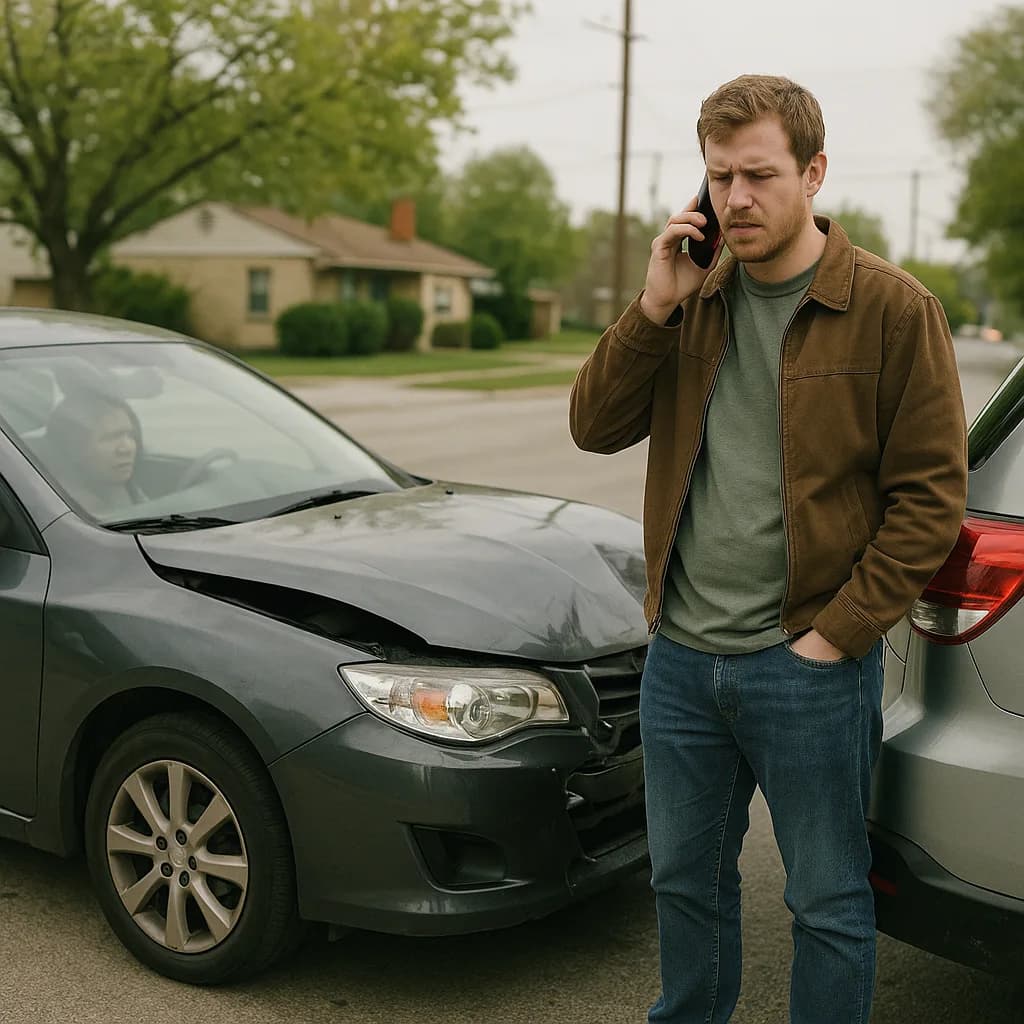
You were hit by another driver. Their insurer paid to fix your car. The body shop did good work — the repairs are solid, the paint matches, the car drives fine. The repair restored function but not market value.
This gap is called diminished value, and it is a real financial loss. Your collision coverage or the at-fault driver's property damage liability paid to fix the car, but neither automatically compensates you for the resale penalty a reported accident creates. Most drivers never learn they can recover this loss. Households insuring multiple vehicles face this scenario repeatedly — one accident across several cars over a few years compounds the unrecovered loss.
Compare car insurance rates in your state
Get quotes from licensed carriers — no obligation, no spam, results in minutes.
Get Your Free QuoteTypical Diminished Value Loss
A mid-value sedan with moderate damage history loses this range in resale value after repairs, even when the work is flawless. The loss persists for years and shows up in trade-in offers and private-party pricing.
What Diminished Value Actually Covers
Diminished value is the difference between what your car would sell for with a clean history and what it sells for with an accident on its record. It applies only when another driver was at fault and their liability insurance is responsible for your loss. Your own collision coverage pays to repair your car but does not pay diminished value — that claim goes against the at-fault party's property damage liability.
Three types exist: inherent diminished value (the market penalty from the accident report itself, regardless of repair quality), repair-related diminished value (additional loss from substandard repairs), and immediate diminished value (the gap between pre-accident value and post-repair value measured right after the work is done). Most claims target inherent diminished value because it applies even when repairs are perfect.
The claim is separate from your repair claim. The at-fault driver's insurer already paid to fix your car. Diminished value is a second claim for the market-value loss the accident caused. You file it after repairs are complete, once you can document the resale gap.
The at-fault driver's liability insurer will not volunteer this payment. You must file the claim yourself, with documentation proving the resale gap.
How to File a Diminished Value Claim

Start by obtaining a diminished value appraisal from an independent appraiser who specializes in post-accident valuation. The appraisal compares your car's current market value (with accident history) to its value with a clean record. Appraisers use the 17c formula (a method developed in a Georgia court case) or comparable sales data to quantify the gap.
Once you have the appraisal, submit a demand letter to the at-fault driver's liability carrier with the appraisal attached, the accident report, repair invoices, and pre-accident photos if available. The demand states the amount you are claiming and the basis for it. The carrier reviews the claim and either pays, negotiates, or denies. If denied, you can dispute through the state Department of Insurance or file in small claims court if the amount is within your state's small claims limit.
Related Articles



State Rules and Carrier Behavior
Georgia is the only state that explicitly recognizes diminished value as a recoverable loss under first-party claims (your own collision coverage). In every other state, diminished value is a third-party claim only — you recover it from the at-fault driver's liability policy, not your own. Some states bar diminished value claims entirely when you were partially at fault, even under comparative negligence rules.
Carriers rarely pay diminished value without a formal claim. The at-fault driver's insurer has no duty to inform you of this option, and most adjusters will not mention it during the repair process. If you do not file a claim within your state's statute of limitations (typically two to four years from the accident date), you lose the right to recover.
Multi-car households face this repeatedly. One accident per vehicle over several years creates cumulative unrecovered loss. Each claim must be filed separately, against the at-fault party in each accident. Your own insurer plays no role unless Georgia law applies and you are filing under your own collision coverage.
Statute of Limitations Window
2–4 years
Most states allow two to four years from the accident date to file a diminished value claim. The window varies by state and starts the day of the accident, not the day repairs finish. Missing the deadline forfeits your claim permanently.
When the Claim Is Worth Filing
Not every accident justifies a diminished value claim. The claim makes sense when the vehicle is relatively new (under five years old), the damage was moderate to severe (requiring structural or panel replacement), and the car's pre-accident value was high enough that a percentage loss translates to a recoverable dollar amount.
Older vehicles with high mileage lose less in absolute dollars because their pre-accident value was already low.
What to Do Next
If you were hit by another driver and your car has been repaired, check whether a diminished value claim is worth filing. Calculate your car's pre-accident value using recent comparable sales in your area, then compare it to current listings for similar vehicles with accident history. Submit the claim to the at-fault driver's liability carrier with the appraisal, repair invoices, and accident report attached. Track the statute of limitations in your state and file before the window closes.