The Multi-Car Claim Decision
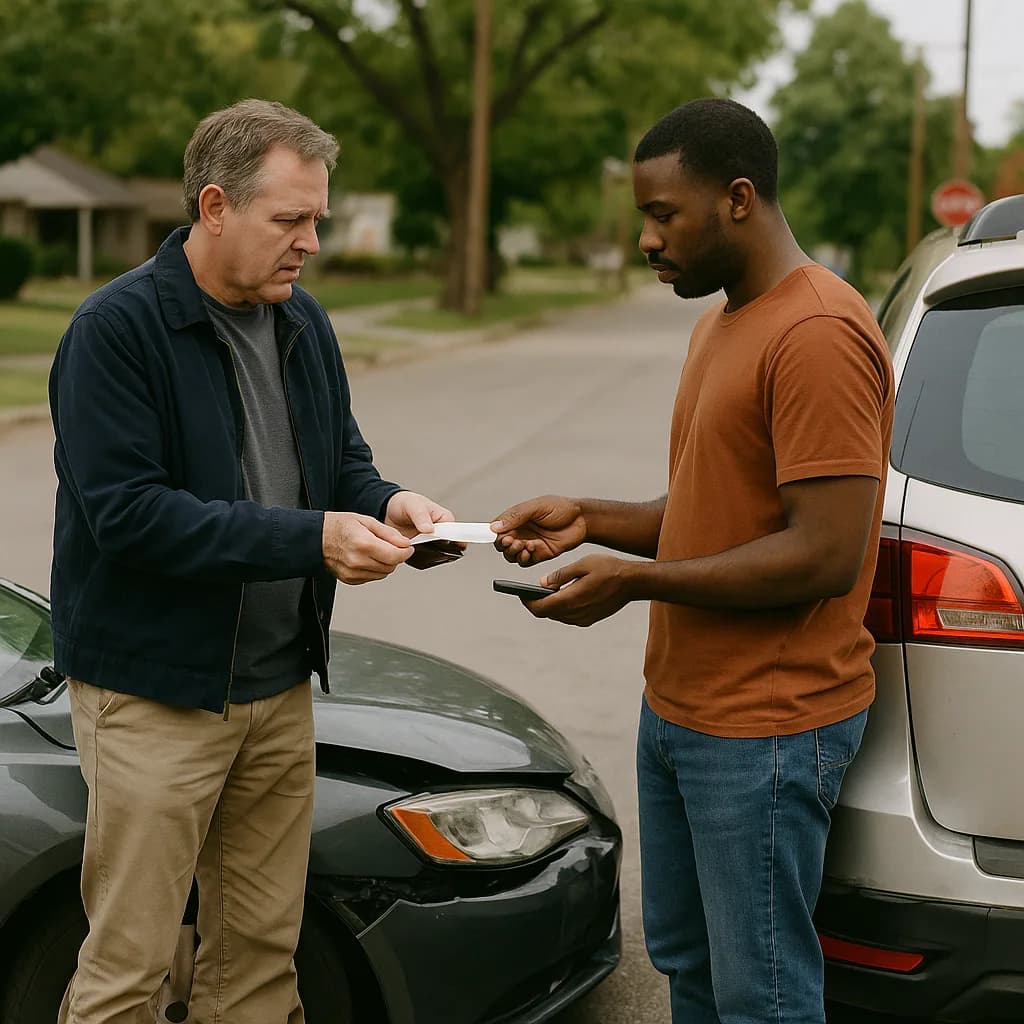
You just backed into a mailbox, scraped a parked car, or had a minor at-fault accident. You carry collision coverage with a $500 deductible. What you may not realize: when you insure three cars on one policy, the surcharge applies to all three vehicles at renewal, not just the one you damaged.
The claim-or-pay decision for a multi-car household is not the same math as a single-car household. Single-car advice does not account for this household-wide impact.
Compare car insurance rates in your state
Get quotes from licensed carriers — no obligation, no spam, results in minutes.
Get Your Free QuoteTypical Surcharge Duration
3 years
Most carriers apply accident surcharges for three years from the claim date or conviction date, depending on state rules. The surcharge re-rates every vehicle on the policy at each renewal during that window.
How Carriers Re-Rate Multi-Car Policies After a Claim
Carriers price multi-car policies as a single risk pool. Every vehicle on the policy shares the household's combined driving record, claims history, and risk tier. When one driver files an at-fault claim, the carrier moves the entire household into a higher risk tier at the next renewal. The surcharge is not a flat dollar amount added to one car — it is a percentage increase applied to the base rate of every vehicle you insure.
This structure exists because the carrier views the household, not the individual car, as the underwriting unit. A household that files one claim is statistically more likely to file another, regardless of which vehicle was involved. The multi-car discount you receive for insuring multiple vehicles on one policy comes with this tradeoff: claims affect the entire policy, not just the at-fault car.
The surcharge percentage varies by carrier and state, but the household-wide application is standard.
The claim threshold for multi-car households is higher than single-car households because the surcharge multiplies across every vehicle on the policy.
Calculating the True Cost of Filing

Start with the repair estimate minus your deductible — that is the net payout you receive from filing. If the surcharge cost exceeds the net payout, paying out of pocket preserves your claims-free discount and avoids the long-term premium increase.
The claim threshold for multi-car policies sits higher than for single-car policies because the surcharge base is larger.
Related Articles




State Rules and Carrier-Specific Surcharge Mechanics
Surcharge rules vary by state and carrier. Some states cap the surcharge percentage or limit the surcharge duration. California prohibits surcharges for not-at-fault accidents. Some carriers offer accident forgiveness programs that waive the first at-fault claim surcharge after a set number of claims-free years, but forgiveness typically applies only to the policyholder, not all drivers on a multi-car policy.
Carriers apply surcharges at renewal, not mid-term. If your renewal is two months away and you file a claim today, the surcharge takes effect in two months. If your renewal is ten months away, you have ten months at your current rate before the increase hits. This timing window matters when deciding whether to file or pay — a claim filed just before renewal costs you the surcharge sooner than a claim filed just after renewal.
Some carriers tier their surcharge by claim severity. Other carriers apply a flat surcharge regardless of payout amount. Check your policy declarations page or call your carrier to confirm how they calculate surcharges for your state and policy structure.
National Non-Owner Policy Range
$37–$46/mo
Drivers who pay out of pocket and later lose access to a household policy can maintain continuous coverage with a non-owner policy, which costs significantly less than a standard multi-car policy but does not cover a vehicle you own.
MoneyGeek/Insurify/Insure.com 2026 non-owner analysis
When Filing Makes Sense for Multi-Car Households
File when the net payout significantly exceeds the three-year surcharge cost across all vehicles. File when the other party is uninsured or underinsured and you need your uninsured motorist coverage to cover the gap. File when injuries are involved, even minor ones, because injury claims can escalate months later and your carrier needs documentation from the accident date.
File when you cannot afford the out-of-pocket repair cost and need the claim payout to make the car drivable. Letting a damaged car sit unrepaired creates secondary problems: registration issues, safety failures, and potential total-loss determinations if further damage occurs. The surcharge is a known cost; an undrivable car is an operational crisis.
Comparing Carriers After a Claim Decision
Once you file a claim or pay out of pocket, the decision affects your rate at the next renewal and every renewal for three years. If you filed and face a surcharge, compare carriers before your renewal date. Some carriers penalize claims less severely than others, and switching can offset part of the surcharge increase. If you paid out of pocket and preserved your claims-free status, you retain access to carriers that offer the deepest discounts for clean records.
Multi-car households benefit from comparing carriers that specialize in household policies rather than single-driver policies. Carriers that write large multi-car discounts often apply smaller surcharges to households with one claim because they price the household's overall risk, not individual incidents. Request quotes from at least three carriers and confirm whether each quote reflects the claim on your record. Some carriers pull claims history from a national database; others rely on your self-reported history during the quote process.