
Acceptance Insurance After an Accident
Free to compare
When Your Current Carrier Won't Renew Your Multi-Car Policy
Your household has two or three cars on one policy. You had an at-fault accident. Your current carrier sent a non-renewal notice or raised your rate so high that keeping all vehicles on the same policy no longer makes financial sense. You're now looking at non-standard carriers, and Acceptance Insurance keeps appearing in your search results. The question is whether Acceptance will write all your vehicles on one policy, or whether you'll need to split coverage across multiple carriers to keep your household insured.
Acceptance Insurance operates in the non-standard auto market—they write policies for drivers standard carriers decline or price out. That includes drivers with recent at-fault accidents, multiple violations, or lapsed coverage. They write multi-car policies, but their underwriting rules differ from standard carriers in ways that matter when you're trying to keep a household's vehicles together on one policy.
“Acceptance rates each vehicle individually before applying the multi-car discount—one accident can raise the entire policy premium more than the discount saves.”

Find a Fair Rate After an Accident
Get My Accident History Insurance Quote21 carriers
National Non-Standard Roster
Acceptance is one of 21 carriers nationwide verified to write coverage for drivers with accidents on record. The non-standard market is smaller than the standard market, which means fewer carriers compete for your household's business and comparison becomes more important.
NAIC carrier licensing data, 2026
How Acceptance Structures Multi-Car Policies
Acceptance writes multi-car policies under the same structural rules as standard carriers: every vehicle must sit on the same policy to qualify for a multi-vehicle discount, and every vehicle must be garaged at the same address. Where Acceptance differs is in per-vehicle underwriting. Standard carriers rate the entire policy based on the household's combined risk profile. Acceptance rates each vehicle individually, then applies a multi-car discount to the total. That means one high-risk vehicle—your car with the accident—can carry a much higher premium than the other vehicles on the policy, and the discount may not offset the increase.
This structure creates a decision point many households miss: keeping all vehicles on one Acceptance policy may cost more than splitting coverage. If your accident affects only one vehicle and one driver, and your household has other vehicles driven by clean-record drivers, you may pay less by insuring the high-risk vehicle with Acceptance and the other vehicles with a different carrier. That sacrifices the multi-car discount, but the per-vehicle rating difference can exceed the discount's value.
Acceptance does not publish their multi-car discount percentage, and it varies by state and underwriting tier. You cannot calculate the split-versus-combined decision without quotes from both structures. The mistake households make is assuming one policy always costs less than two.
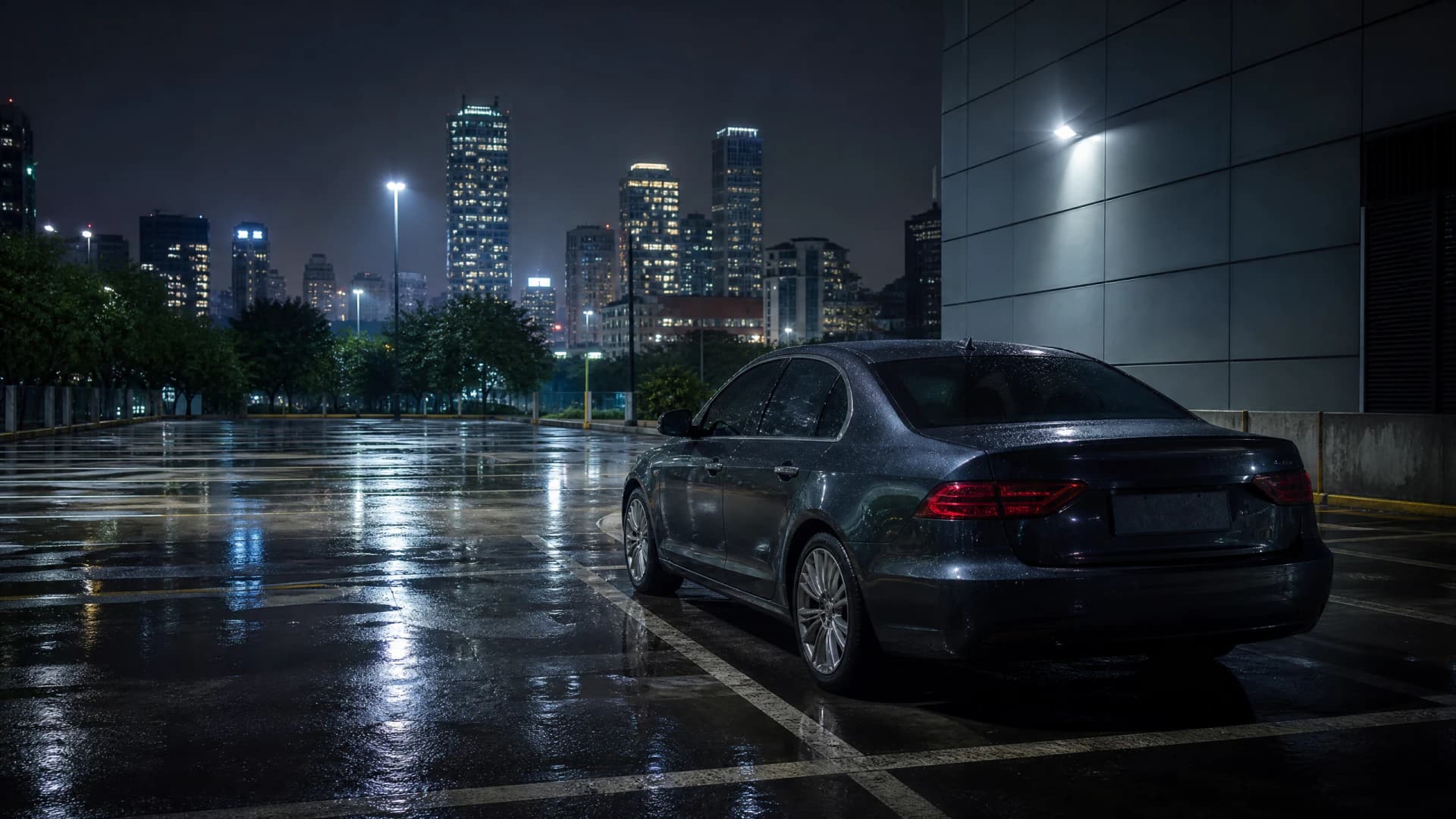
Acceptance rates each vehicle individually before applying the multi-car discount—one accident-affected vehicle can raise the entire policy premium more than the discount saves.






How Acceptance Compares to Other Non-Standard Carriers for Multi-Car Households
The non-standard market includes carriers like The General, Direct Auto, Dairyland, Bristol West, and GAINSCO. Not all of them write multi-car policies the same way. The General and Direct Auto use similar per-vehicle rating models to Acceptance—each vehicle is underwritten separately, then bundled with a discount. Dairyland and Bristol West rate the household as a unit, which can produce lower total premiums when one vehicle has a significantly worse record than the others. GAINSCO operates in fewer states but often writes policies Acceptance declines.
The structural difference matters when you're comparing quotes. If you request quotes from Acceptance, The General, and Dairyland for the same three-vehicle household, Acceptance and The General will likely return similar totals because they use the same rating method. Dairyland may return a lower total because they average the risk across all three vehicles instead of isolating the high-risk one. You cannot know which structure works better for your household without running both.
Acceptance's advantage is state availability and underwriting flexibility. They write in 12 states, which is more than most non-standard carriers. They also accept payment plans that other carriers do not—monthly EFT, bi-weekly, and even weekly in some states. If cash flow is tight after an accident and rate increase, that flexibility can make the difference between keeping coverage and letting it lapse.
$245–$275/mo
National At-Fault Accident Benchmark
Drivers with one at-fault accident pay 43–55% more than drivers with clean records, according to national rate studies. Non-standard carriers like Acceptance start from a higher base, so the accident surcharge compounds. Your actual rate depends on your state, the accident's severity, and how many other vehicles share the policy.
Insurance.com 2026 accident study; Bankrate 2025

When Splitting Coverage Makes More Sense Than One Policy
If your household has three vehicles and only one was involved in the accident, compare the cost of insuring all three with Acceptance against insuring the accident-affected vehicle with Acceptance and the other two with a standard or preferred non-standard carrier. The math works like this: Acceptance quotes your three-vehicle policy at a total monthly premium. You then get a quote from another carrier for the two clean-record vehicles only. Add the Acceptance single-vehicle quote to the other carrier's two-vehicle quote. If that combined total is lower than the Acceptance three-vehicle quote, splitting saves money even without a multi-car discount.
This structure only works if the two clean-record vehicles qualify for standard or preferred non-standard coverage. If all three vehicles are rated high-risk, splitting does not help—you'll pay non-standard rates on all three either way, and losing the multi-car discount makes the split more expensive. The decision hinges on whether your household's other vehicles and drivers can access better underwriting tiers than Acceptance offers.
Compare Carriers That Write Your Household's Vehicles
Acceptance is one option in a small market. The mistake is stopping at the first quote. Non-standard carriers use different rating models, different state availability, and different underwriting rules for multi-car policies. One carrier's decline is another's acceptance. One carrier's per-vehicle rating produces a higher total than another's household rating. You cannot know which structure and which carrier fit your household without running comparisons across at least three carriers that write multi-car policies in your state. Request quotes for both the combined structure—all vehicles on one policy—and the split structure if your household qualifies. The lower total is the answer.
What Acceptance Requires to Write Your Household
Acceptance writes coverage in 12 states: California, Georgia, Illinois, Indiana, Louisiana, Minnesota, Missouri, Ohio, Pennsylvania, South Carolina, Texas, and Wisconsin. If your state is not on that list, Acceptance is not an option for your household. Within those states, Acceptance evaluates each driver and vehicle separately. An at-fault accident from the past three years does not automatically disqualify you, but it does move you into a higher underwriting tier. If the accident involved a DUI, multiple vehicles, or injuries, Acceptance may decline coverage or require you to carry higher liability limits than your state's minimum.
To get a quote, Acceptance requires the VIN, garaging address, and driver assignment for every vehicle on the policy. They also pull your motor vehicle record and your claims history from LexisNexis. If any driver on the policy has a suspended license, an open claim, or more than two accidents in the past three years, Acceptance may decline the entire policy or exclude that driver. Excluded drivers cannot operate any vehicle on the policy—if they do and have an accident, the claim is denied. That creates a problem for multi-car households where every driver needs access to every vehicle.
Get Your Free Quote
Get My Accident History Insurance QuoteFrequently Asked Questions
Does Acceptance Insurance offer a multi-car discount?
Yes, Acceptance offers a multi-car discount when you insure two or more vehicles on the same policy at the same garaging address. The discount percentage varies by state and underwriting tier. Acceptance rates each vehicle individually before applying the discount, so one high-risk vehicle can increase the total premium more than the discount reduces it.
Will Acceptance Insurance cover my household after an at-fault accident?
Acceptance writes coverage for drivers with at-fault accidents in 12 states: California, Georgia, Illinois, Indiana, Louisiana, Minnesota, Missouri, Ohio, Pennsylvania, South Carolina, Texas, and Wisconsin. An at-fault accident from the past three years moves you into a higher underwriting tier but does not automatically disqualify you. If the accident involved a DUI, injuries, or multiple vehicles, Acceptance may decline or require higher liability limits.
How does Acceptance rate multi-car policies differently than standard carriers?
Acceptance rates each vehicle individually based on its assigned driver's record, then applies a multi-car discount to the total. Standard carriers rate the entire household as one risk profile. This means one accident-affected vehicle on an Acceptance policy can carry a much higher premium than the other vehicles, and the discount may not offset the increase.
Should I insure all my household's vehicles with Acceptance or split coverage?
Compare both structures. If only one vehicle was involved in the accident and your other vehicles qualify for standard or preferred non-standard coverage, splitting may cost less even without a multi-car discount. Request quotes for all vehicles on one Acceptance policy and for the accident-affected vehicle alone, then compare the combined total of split coverage.
What does Acceptance require to quote a multi-car policy after an accident?
Acceptance requires the VIN, garaging address, and driver assignment for every vehicle, plus your motor vehicle record and claims history from LexisNexis. If any driver has a suspended license, an open claim, or more than two accidents in the past three years, Acceptance may decline the policy or exclude that driver from coverage.
How long does an at-fault accident affect my rate with Acceptance?
Acceptance surcharges at-fault accidents for three years from the accident date. After three years, the accident no longer appears in their underwriting calculation and your rate drops. The surcharge amount varies by state and the accident's severity—accidents involving injuries or multiple vehicles carry higher surcharges than single-vehicle property-damage accidents.
Can I add a vehicle to my Acceptance policy mid-term after an accident?
Yes, Acceptance allows mid-term vehicle additions. Adding a vehicle re-rates the entire policy based on the new vehicle's assigned driver and the household's current risk profile. If you add a vehicle after an accident, the new vehicle's premium will reflect your post-accident underwriting tier. Contact Acceptance within your state's grace period—typically 14 to 30 days—to add the vehicle without a coverage gap.