
Amica Insurance After an Accident
Free to compare
When One Car's Accident Hits Every Vehicle on the Policy
You had an accident in one of your household's cars. The claim went through Amica without issue. Now renewal is approaching, and you're looking at a premium increase that applies to all three vehicles on your policy, not just the one involved in the collision. The multi-car discount is still there, but the base rate underneath it jumped across the board.
This is how Amica structures accident surcharges on multi-vehicle policies. The surcharge applies at the policy level because the policy is the rated unit. When one car files a claim, the entire policy re-rates. Your household's total premium rises even though two of the three cars never touched another vehicle. Understanding this mechanic clarifies whether staying with Amica or shopping other carriers makes financial sense for a household insuring multiple cars after an accident.
“The surcharge applies at the policy level because the policy is the rated unit—one car's claim re-rates every vehicle you insure.”

Find a Fair Rate After an Accident
Get My Accident History Insurance Quote$245–$275/mo
At-Fault Accident Premium
Drivers with one at-fault accident pay 43–55% more than drivers with clean records, according to national benchmarks. The increase applies to the entire policy when multiple vehicles share coverage.
Insurance.com 2026 accident/ticket study + Bankrate 2025
How Amica Applies Surcharges Across Multiple Vehicles
Amica rates the policy as a single contract covering all listed vehicles and drivers. When one vehicle files an at-fault claim, the carrier recalculates the policy's base rate using the household's updated loss history. That new base rate applies to every vehicle on the policy before any multi-car discount is applied.
The multi-car discount itself does not disappear after an accident. Amica continues to apply the discount as long as you insure two or more vehicles on the same policy. But the discount now applies to a higher base rate, so your net premium rises across all vehicles. A household insuring three cars sees the surcharge reflected in the combined premium for all three, not isolated to the car that filed the claim.
This differs from how some households expect surcharges to work. Many drivers assume the accident penalty attaches only to the vehicle involved. In practice, the penalty attaches to the policy, and the policy covers all your cars. The result is a total premium increase that feels disproportionate when you're insuring multiple vehicles that were not involved in any incident.
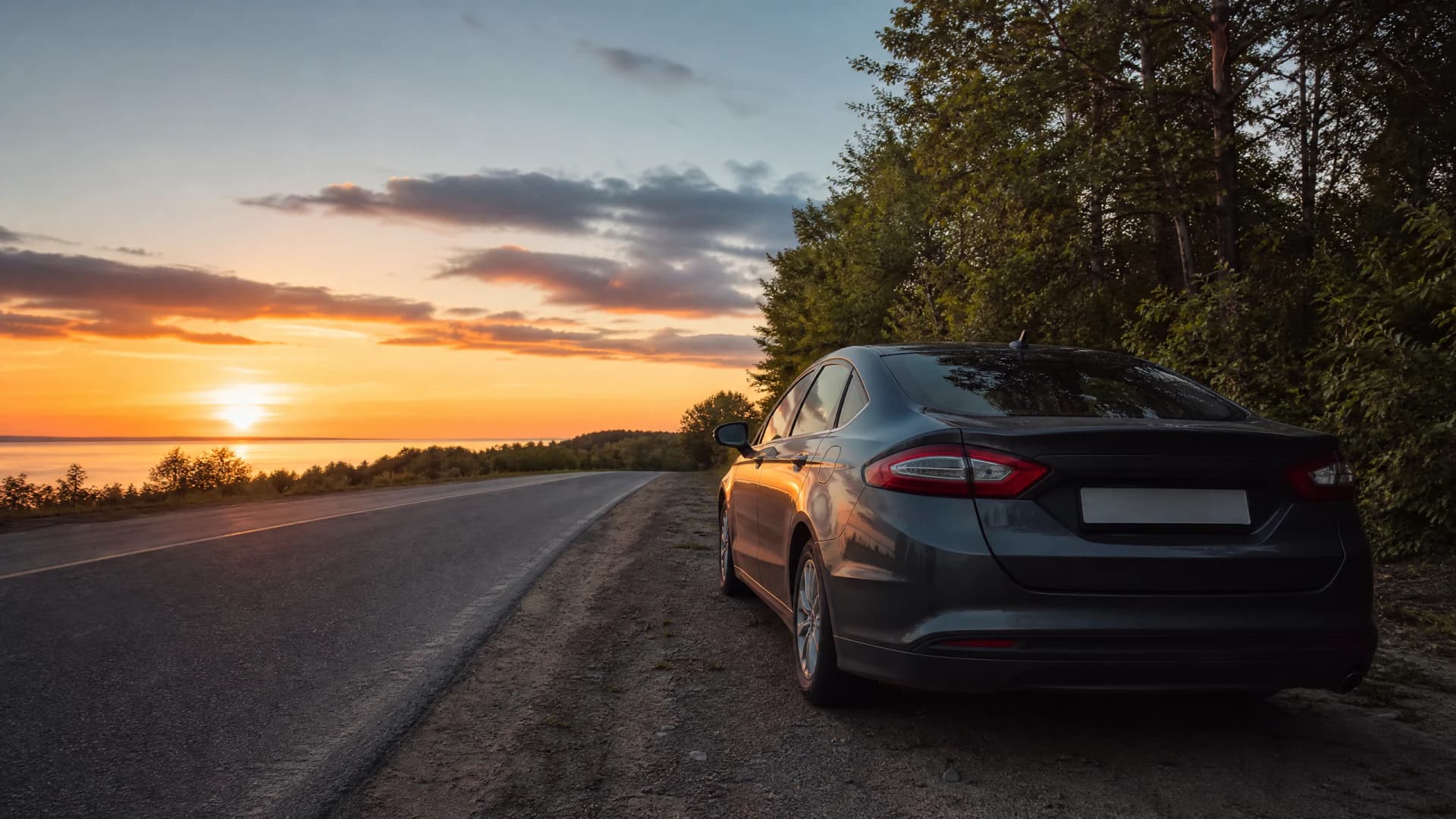
The accident surcharge re-rates your entire multi-car policy, not just the vehicle that filed the claim. Every car on the policy sees the increase at renewal.
Related Articles






How Long the Surcharge Lasts and When It Falls Off
Amica applies the accident surcharge for three to five years from the date of the incident, depending on state regulation and the severity of the claim. Most states allow carriers to surcharge at-fault accidents for three years. The surcharge does not reset when you renew; it decreases gradually as the accident ages on your record and eventually falls off entirely when the lookback period expires.
The lookback period is the window during which the carrier considers the accident when calculating your premium. Once the accident falls outside that window, your policy re-rates as if the incident never occurred. Your base rate drops back to the level it would have been without the claim, and the multi-car discount applies to that lower base. This is when staying with Amica often makes sense again, because you regain the benefit of any loyalty or tenure credits the carrier offers.
If you switch carriers before the surcharge falls off, the new carrier will see the accident during underwriting and apply its own surcharge. Shopping immediately after an accident can still save money if another carrier's base rate plus surcharge is lower than Amica's. But switching a year or two into the surcharge period rarely produces savings, because you lose any loyalty credit with Amica and the new carrier applies a fresh surcharge starting from the date you switch.
34 carriers
National Carrier Roster
Thirty-four carriers write multi-vehicle policies nationally, including Amica, State Farm, Geico, Progressive, and Allstate. Comparing carriers after an accident often uncovers a lower combined premium for households insuring multiple cars.
NAIC carrier roster

When Switching Carriers After an Accident Makes Sense
Switching makes sense when another carrier's total premium for all your vehicles is lower than Amica's post-accident rate, even after accounting for the loss of any loyalty or bundling credits. This typically happens when Amica's surcharge is large relative to its competitors, or when another carrier specializes in insuring drivers with recent accidents and prices that risk more competitively.
Run quotes with at least three carriers that write multi-vehicle policies in your state. Provide identical coverage limits and deductibles for each vehicle so the comparison is accurate. Compare the total annual premium for all vehicles combined, not the per-vehicle rate. A carrier that quotes higher for one car but lower for the other two may still deliver the lowest total cost for your household. Carriers that write accident-history business aggressively include Progressive, Geico, and Direct Auto.
Compare Carriers That Write Multi-Vehicle Policies for Accident-History Households
Amica's post-accident surcharge applies to your entire multi-car policy, raising the premium for every vehicle at renewal. The multi-car discount remains in place, but it now applies to a higher base rate. Shopping other carriers immediately after the accident often uncovers a lower total premium, because some carriers price accident risk more competitively than others. Compare total premiums across all your vehicles with at least three carriers before your Amica renewal locks in the increase.
What Happens to Your Multi-Car Discount After the Claim
Amica does not remove the multi-car discount after an accident. The discount is a structural feature of insuring multiple vehicles on one policy, not a reward for a clean driving record. Your household still qualifies for the discount at renewal. What changes is the base rate to which the discount applies. The surcharge raises the base premium for the policy, and the multi-car discount then reduces that higher base amount by the same percentage it did before the accident.
A smaller discount on a lower base rate can beat a larger discount on a higher one. If Amica's post-accident base rate is significantly higher than another carrier's, the multi-car discount may not close the gap. This is why shopping other carriers after an accident often produces a lower total premium than staying with your current insurer, even when you lose continuity or loyalty credits. The base rate matters more than the discount percentage when the surcharge is large.
Get Your Free Quote
Get My Accident History Insurance QuoteFrequently Asked Questions
Does Amica remove the multi-car discount after an accident?
No. Amica continues to apply the multi-car discount as long as you insure two or more vehicles on the same policy. The discount applies to a higher base rate after the accident, so your net premium rises across all vehicles even though the discount percentage remains the same.
How long does an accident surcharge last with Amica?
Amica applies the accident surcharge for three to five years from the date of the incident, depending on state regulation and claim severity. The surcharge decreases gradually as the accident ages and falls off entirely when the lookback period expires.
Will switching carriers after an accident save me money on a multi-car policy?
Switching can save money if another carrier's total premium for all your vehicles is lower than Amica's post-accident rate. Compare quotes from at least three carriers that write multi-vehicle policies, using identical coverage limits and deductibles for each car. Some carriers price accident risk more competitively than others.
Does the accident surcharge apply to all cars on my Amica policy or just the one involved?
The surcharge applies to the entire policy, not just the vehicle that filed the claim. Amica rates the policy as a single contract covering all listed vehicles, so one car's accident re-rates every vehicle on the policy at renewal.
Can I keep one car with Amica and move the others to a different carrier to avoid the surcharge?
Moving some vehicles to another carrier eliminates the multi-car discount with Amica, because the discount requires two or more vehicles on the same policy. You would need to compare the total cost of separate single-car policies against the cost of keeping all vehicles on one multi-car policy with the surcharge applied.