
How Many Accidents Before State Farm Drops You
Free to compare
The Question Every Driver Asks After a Second Accident
You just filed your second at-fault claim with State Farm in less than two years. The first accident added a surcharge to your premium. Now you're wondering whether this second one will get your policy dropped entirely. You've searched for a hard number—two accidents, three accidents, a specific threshold—but State Farm's website doesn't say, and your agent's answer was vague.
The structural reality: State Farm does not operate on a published accident-count rule. Non-renewal decisions depend on accident severity, your driving history before the accidents, state regulatory constraints on when carriers can non-renew, and whether the accidents were chargeable under your state's fault and claims rules. This article walks through how State Farm evaluates accident history, what triggers non-renewal, and what you do when your policy is at risk.
“State Farm does not publish a fixed accident threshold; non-renewal depends on severity, state rules, and your overall driving profile.”

Find a Fair Rate After an Accident
Get My Accident History Insurance Quote43–55%
Premium Increase After At-Fault Accident
Drivers with one at-fault accident pay 43 to 55 percent more than drivers with clean records, based on national carrier rate filings. A second accident compounds that increase, often doubling the base premium or more.
Insurance.com 2026 accident/ticket study + Bankrate 2025
How State Farm Counts Accidents
Not-at-fault accidents—where another driver caused the collision and their carrier paid—do not count as chargeable events in most states. Comprehensive claims for theft, vandalism, weather, or animal strikes also do not count as at-fault accidents.
The surcharge period for a chargeable accident is three to five years in most states, measured from the accident date. During that window, the accident appears on your policy and increases your premium. If you have two chargeable accidents within that rolling window, both surcharges apply simultaneously. State Farm evaluates your total chargeable-event count across that period when deciding whether to renew your policy.
State Farm also considers accident severity. Two minor accidents may not trigger non-renewal; one severe accident plus a second minor one often does.

State Farm can non-renew your policy after two or more chargeable accidents within three years in most states, but the decision is discretionary and varies by state regulatory rules and your overall driving profile.
Related Articles
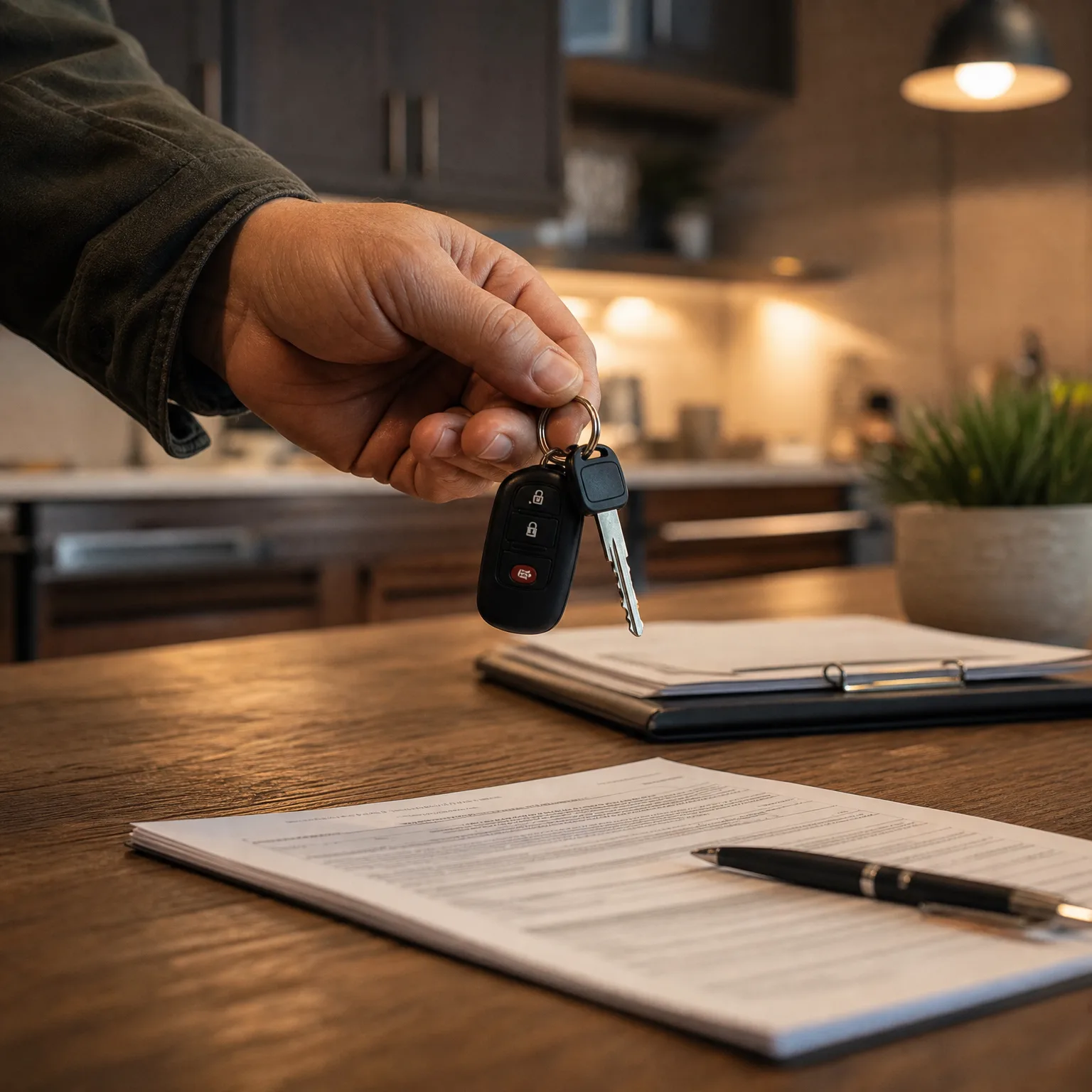






What Happens When State Farm Non-Renews Your Policy
State Farm sends a non-renewal notice 30 to 60 days before your policy expires. The notice states the reason—typically "underwriting guidelines" or "claims history"—and the effective date your coverage ends. You are not canceled mid-term; the policy runs to its expiration date, and State Farm declines to offer a new term.
You have until the expiration date to find replacement coverage. If you let the policy lapse without securing a new carrier, you will have a coverage gap on your record, which increases premiums with the next carrier and may trigger a state filing requirement in some jurisdictions. Most states require continuous liability coverage; a lapse can result in license suspension or a requirement to file an SR-22 certificate with your next carrier.
State Farm may offer to move you to a non-standard or assigned-risk program instead of non-renewing outright. These programs carry higher premiums but keep you insured under the State Farm umbrella. If that option is not available, you will need to shop carriers that specialize in drivers with accident history.
21
Carriers Writing After-Accident Coverage
Twenty-one national and regional carriers actively write policies for drivers with multiple at-fault accidents, including Progressive, Geico, Allstate, Nationwide, and specialty carriers like Dairyland and Direct Auto. Comparing quotes across this roster is the fastest path to replacement coverage.
NAIC carrier licensing data 2023

Which Carriers Accept Drivers After Multiple Accidents
Progressive, Geico, and Allstate write policies for drivers with two or more at-fault accidents, though premiums reflect the increased risk. Progressive's snapshot and usage-based programs allow you to offset accident surcharges with safe driving behavior after the accidents. Geico often offers competitive rates for drivers with accident history who maintain continuous coverage and avoid additional violations.
Specialty carriers like Dairyland, Direct Auto, and The General focus on high-risk drivers and do not non-renew based on accident count alone. These carriers typically charge higher base premiums than State Farm but provide stable coverage for drivers who cannot secure standard-market policies. Comparing quotes from at least five carriers—mixing standard and specialty—gives you the clearest picture of your options and cost.
Your Next Step After Non-Renewal
Request a copy of your motor vehicle record from your state DMV to confirm which accidents appear and whether they are coded as at-fault. Errors on your MVR can inflate premiums or trigger non-renewal incorrectly; disputing inaccuracies before shopping for coverage saves money and expands your carrier options.
Start comparing quotes immediately after receiving the non-renewal notice. Waiting until the week before expiration limits your choices and forces you into whatever carrier will bind coverage quickly, often at a higher premium. Use the site's comparison tool to get quotes from carriers that write policies for drivers with accident history, and filter by your state and vehicle count to see accurate rates for your household.
State Regulatory Limits on Non-Renewal
In most states, carriers can non-renew a policy at the end of the term for underwriting reasons, including multiple at-fault accidents. However, some states restrict non-renewal after the policy has been in force for a certain period—typically three years—unless the driver meets specific criteria such as license suspension, fraud, or a threshold number of chargeable events. California, for example, prohibits non-renewal based solely on one accident unless it involves a DUI or other serious violation. Massachusetts and New Jersey have similar consumer protections.
Other states allow carriers broader discretion. In Texas, Florida, and Ohio, State Farm can non-renew a policy after two chargeable accidents within a 36-month period without additional justification. The carrier must provide written notice 30 to 60 days before the renewal date, and the notice must state the reason for non-renewal. If your state restricts non-renewal, State Farm may instead raise your premium significantly at renewal rather than dropping the policy outright.
Get Your Free Quote
Get My Accident History Insurance QuoteFrequently Asked Questions
Does State Farm drop you after two accidents?
State Farm can non-renew your policy after two chargeable at-fault accidents within three years in most states, but the decision is discretionary and depends on accident severity, your driving history, and state regulatory rules. Some states restrict non-renewal based solely on accident count.
How long does an accident stay on your State Farm policy?
An at-fault accident remains chargeable on your State Farm policy for three to five years from the accident date, depending on your state. During that period, the accident increases your premium. After the surcharge period expires, the accident no longer affects your rate.
Can State Farm cancel your policy mid-term after an accident?
No. State Farm cannot cancel your policy mid-term based solely on an at-fault accident. The carrier can non-renew your policy at the end of the term by providing 30 to 60 days' written notice, but your coverage continues until the expiration date.
What is the difference between cancellation and non-renewal?
Cancellation ends your policy before the term expires, typically for non-payment or fraud. Non-renewal means State Farm declines to offer a new term when your current policy expires. Non-renewal based on accidents is legal in most states and does not create a coverage gap if you secure replacement coverage before expiration.
Which carriers accept drivers after State Farm non-renews for accidents?
Progressive, Geico, Allstate, Nationwide, Dairyland, Direct Auto, and The General all write policies for drivers with multiple at-fault accidents. Specialty carriers focus on high-risk drivers and typically do not non-renew based on accident count alone. Comparing quotes from at least five carriers gives you the best rate options.
Does a not-at-fault accident count against you with State Farm?
In most states, a not-at-fault accident does not count as a chargeable event and does not increase your premium or contribute to non-renewal. However, some states allow carriers to surcharge not-at-fault accidents if you file a claim under your own collision coverage. Check your state's rules.
Can you appeal a State Farm non-renewal decision?
You can contact State Farm's underwriting department to request reconsideration, especially if the non-renewal is based on an error in your driving record or claims history. However, carriers have broad discretion to non-renew policies at expiration in most states, and appeals rarely succeed unless factual errors exist.