
New Jersey Manufacturers Multi-Car Insurance — New Jersey
Free to compare
When Adding a Car Raises Your Premium More Than Expected
You added a second or third vehicle to your New Jersey Manufacturers policy and the premium increase was larger than the cost of insuring just that one car. The multi-car discount appeared on the declaration page, but the total bill still climbed by hundreds of dollars per term. You expected the discount to offset most of the new vehicle's cost, and it did not.
New Jersey Manufacturers, like most carriers, re-rates the entire policy when you add a vehicle mid-term or at renewal. The multi-car discount reduces the combined premium, but it does not cap the increase. The new vehicle's base rate, the driver assigned to it, and how the carrier pools risk across all cars on the policy determine the final number. Understanding how New Jersey Manufacturers structures multi-vehicle pricing shows you whether keeping all cars on one policy makes sense or whether splitting them lowers your total cost.
“New Jersey Manufacturers re-rates every vehicle when you add one, so a high-risk car can raise the premium for all vehicles, not just the new one.”

Find a Fair Rate After an Accident
Get My Accident History Insurance Quote$15,000/$30,000/$5,000
New Jersey Minimum Liability
New Jersey requires $15,000 bodily injury per person, $30,000 per accident, and $5,000 property damage. Every vehicle on your policy must carry at least these limits, and adding a car with higher coverage needs can raise the policy-wide premium if New Jersey Manufacturers re-rates all vehicles to match the new coverage structure.
New Jersey Motor Vehicle Commission
How New Jersey Manufacturers Applies the Multi-Car Discount
New Jersey Manufacturers applies the multi-car discount to the total policy premium, not to each vehicle individually. When you add a second car, the carrier recalculates the base rate for both vehicles, applies the discount to the combined total, and produces the new premium. The discount lowers the final bill, but it does not prevent the bill from rising if the second vehicle's base rate is high or if the driver assigned to it carries a recent accident.
The discount requires all vehicles to sit on the same policy and share a garaging address. If you title a car to a household member who lives at a different address, or if you maintain separate policies for different drivers, the vehicles do not qualify for the same-policy discount. New Jersey Manufacturers treats each policy as a separate risk pool.
When you add a third or fourth vehicle, the discount typically increases slightly, but the incremental benefit shrinks. The first multi-car discount step is the largest; adding more vehicles beyond two produces smaller marginal savings. If the third car is expensive to insure or assigned to a driver with a violation, the premium can still climb sharply even with the larger discount applied.
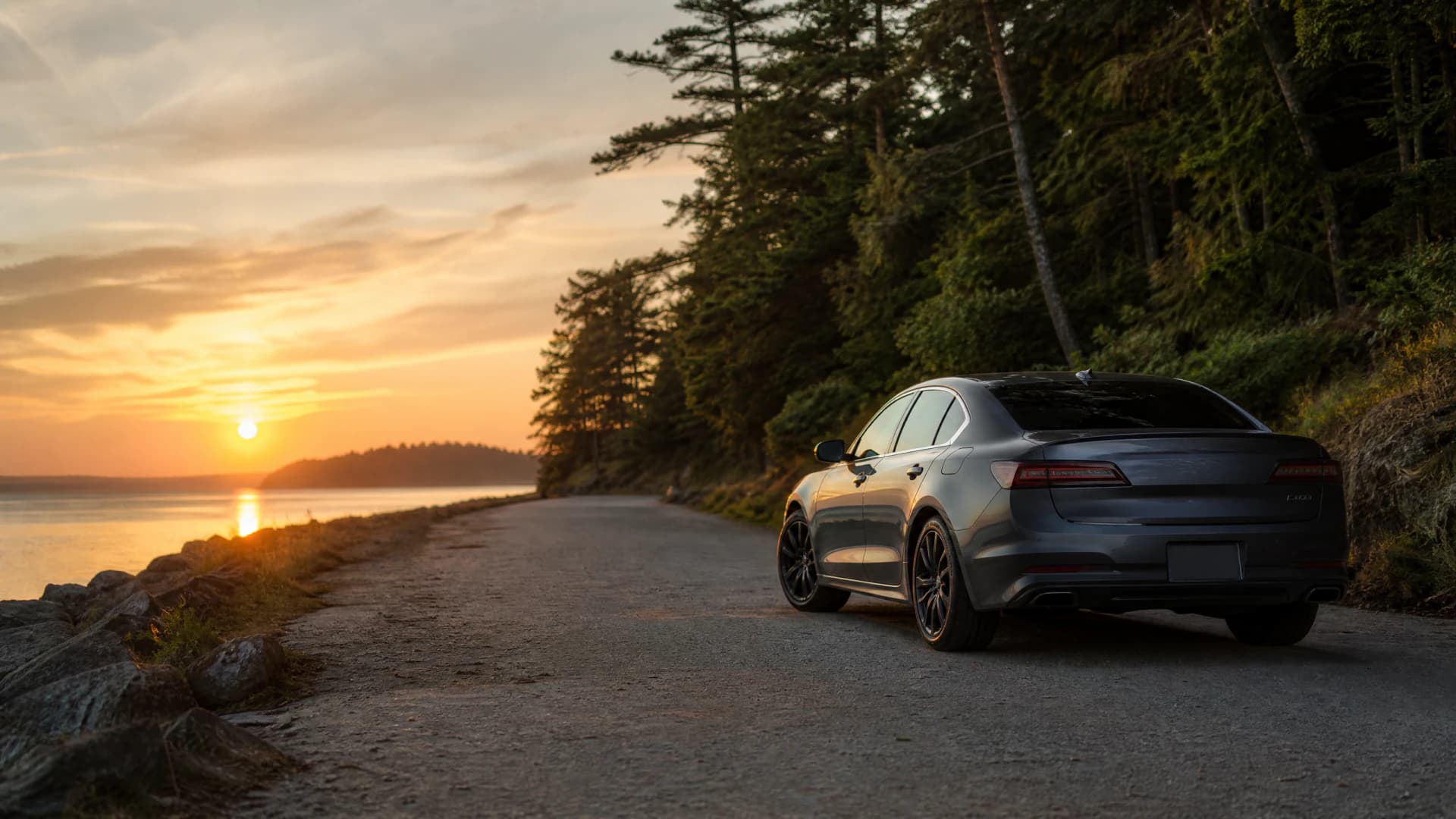
New Jersey Manufacturers re-rates every vehicle on the policy when you add one, so a high-risk car or driver can raise the premium for all vehicles, not just the new one.
Related Articles






When Splitting Policies Costs Less Than Combining Them
Combining all household vehicles on one New Jersey Manufacturers policy usually lowers the total premium compared to separate policies, but not always. If one vehicle or driver carries significantly higher risk than the others, splitting that car onto its own policy can prevent it from raising the rates for the rest of the household's cars.
A household with three cars and one recent at-fault accident might pay less by placing the accident-affected driver and their vehicle on a separate policy and keeping the other two cars on a shared policy with the multi-car discount. The separate policy absorbs the accident surcharge without spreading it across all three vehicles. You lose the three-car discount tier, but the two-car discount on the clean-record policy plus the standalone high-risk policy can total less than the three-car combined premium.
New Jersey Manufacturers does not penalize you for splitting policies, but the carrier will not volunteer the comparison. You need to request quotes for both structures: all vehicles on one policy versus a split configuration. The difference depends on the specific vehicles, drivers, coverage levels, and how recently the accident occurred. Carriers vary widely in how they weight accident history across multi-vehicle policies.
34 carriers
New Jersey Auto Insurance Market
Thirty-four carriers write auto insurance in New Jersey, and their multi-car discount structures and accident surcharge formulas differ. Comparing quotes from multiple carriers shows you which one treats your household's vehicle and driver mix most favorably after an accident.

How to Compare Multi-Car Quotes After an Accident
Request quotes from at least three carriers that write multi-vehicle policies in New Jersey. Provide identical coverage limits, deductibles, and driver assignments for each quote so the comparison isolates the carrier's pricing model rather than coverage differences. Ask each carrier how they apply the multi-car discount and how the accident surcharge affects the total policy versus individual vehicles.
If you are considering splitting policies, request two quote sets from each carrier: one with all vehicles on a single policy, and one with the accident-affected vehicle on a separate policy and the remaining vehicles on a shared policy. The side-by-side comparison shows you the actual dollar difference. Some carriers price the combined policy lower even with the accident; others price the split configuration lower because they isolate the surcharge.
Next Step: Compare New Jersey Manufacturers Against Other Carriers
New Jersey Manufacturers is one option in a competitive state market. If the premium increase after adding your vehicle exceeds your budget, compare quotes from carriers that specialize in multi-car households or that weight accident history differently. Carriers that write higher volumes of multi-vehicle policies often offer more aggressive discounts, and carriers that use telematics or accident-forgiveness programs may reduce the surcharge faster than New Jersey Manufacturers does. Request quotes with your current coverage structure and driver assignments, then adjust the configuration if splitting policies produces a lower total. The comparison takes less than an hour and can save you hundreds of dollars per term.
What Drives the Premium Jump When You Add a Vehicle
The new vehicle's base rate depends on its make, model, year, and how the carrier classifies its theft and collision risk. A newer car with comprehensive and collision coverage costs more to insure than an older car with liability only. If you added a vehicle worth significantly more than your existing cars, or one with a high theft rate in New Jersey, the base rate for that car alone can exceed the multi-car discount's savings.
The driver assigned to the new vehicle affects the policy-wide rate. If you added a car for a household member with a recent accident or violation, New Jersey Manufacturers pools that driver's risk with the rest of the policy. The carrier does not isolate the high-risk driver to just one vehicle; the entire policy absorbs the increased risk, and the premium for all cars rises. If the new driver has a clean record, the impact is smaller, but the re-rating still applies.
Get Your Free Quote
Get My Accident History Insurance QuoteFrequently Asked Questions
Does New Jersey Manufacturers apply the multi-car discount to each vehicle separately?
No. New Jersey Manufacturers applies the multi-car discount to the total policy premium, not to each vehicle individually. The carrier recalculates the base rate for all vehicles on the policy, then applies the discount to the combined total.
Can I add a car titled to a household member on a different policy and still get the multi-car discount?
No. The multi-car discount requires all vehicles to sit on the same policy. A car titled to a household member on a separate policy does not count toward the same-policy discount, even if both policies are with New Jersey Manufacturers.
Will adding a third car to my New Jersey Manufacturers policy always lower my per-vehicle cost?
Not always. The multi-car discount increases slightly when you add a third vehicle, but if that vehicle has a high base rate or is assigned to a driver with a recent accident, the total premium can rise sharply. The discount reduces the combined bill but does not cap the increase.
How long does an accident affect my New Jersey Manufacturers multi-car policy premium?
Most carriers, including New Jersey Manufacturers, surcharge an at-fault accident for three to five years from the date of the accident. The surcharge applies to the entire policy, not just the vehicle involved in the accident, and decreases gradually as the accident ages off your record.
Is it cheaper to put all my cars on one New Jersey Manufacturers policy or split them after an accident?
It depends on the specific vehicles, drivers, and how recently the accident occurred. Combining all cars on one policy usually costs less, but if one driver carries a recent accident, splitting that driver and their vehicle onto a separate policy can prevent the surcharge from raising rates for the other cars. Request quotes for both configurations to compare.
Does New Jersey Manufacturers offer accident forgiveness on multi-car policies?
New Jersey Manufacturers offers accident forgiveness on some policies, but availability and eligibility vary by state and policy type. Contact the carrier directly to confirm whether your multi-car policy qualifies and what conditions apply.