
When Your Carrier Re-Rates After an At-Fault Accident
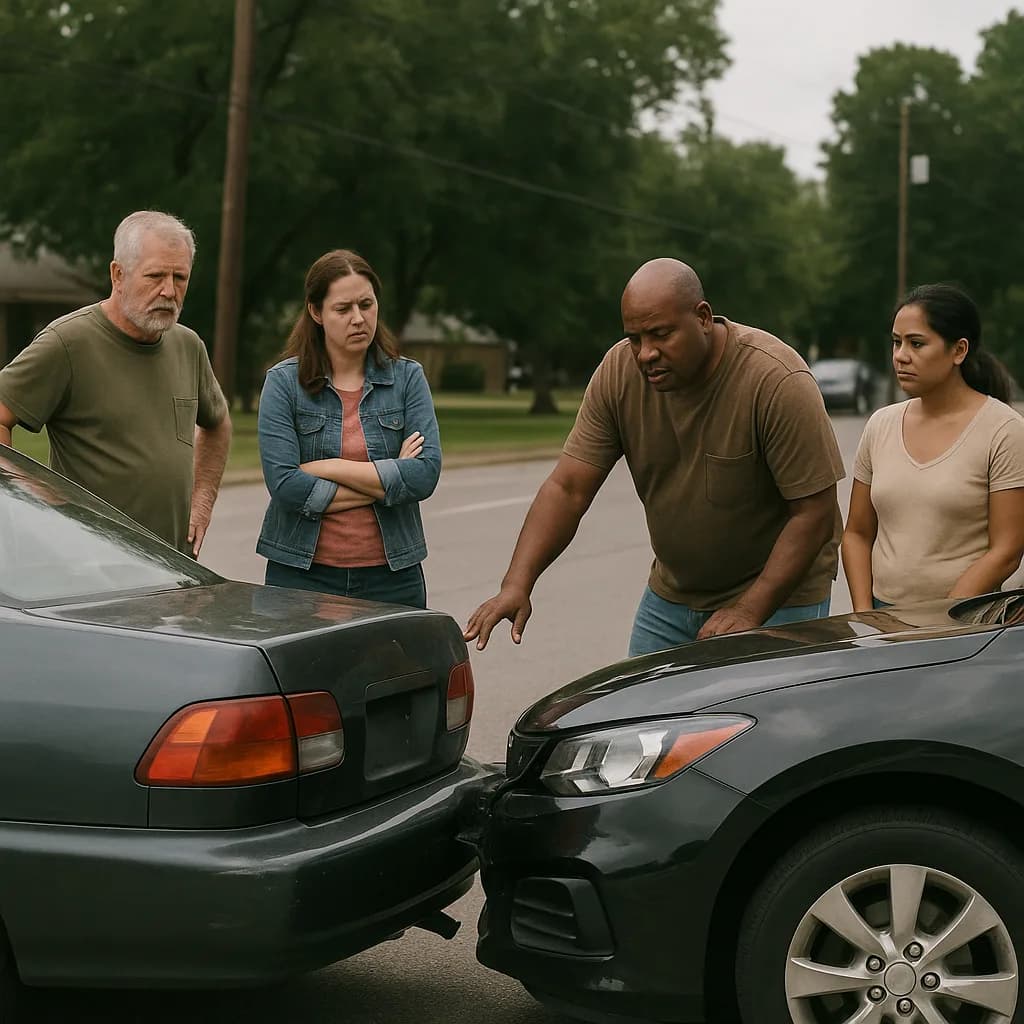
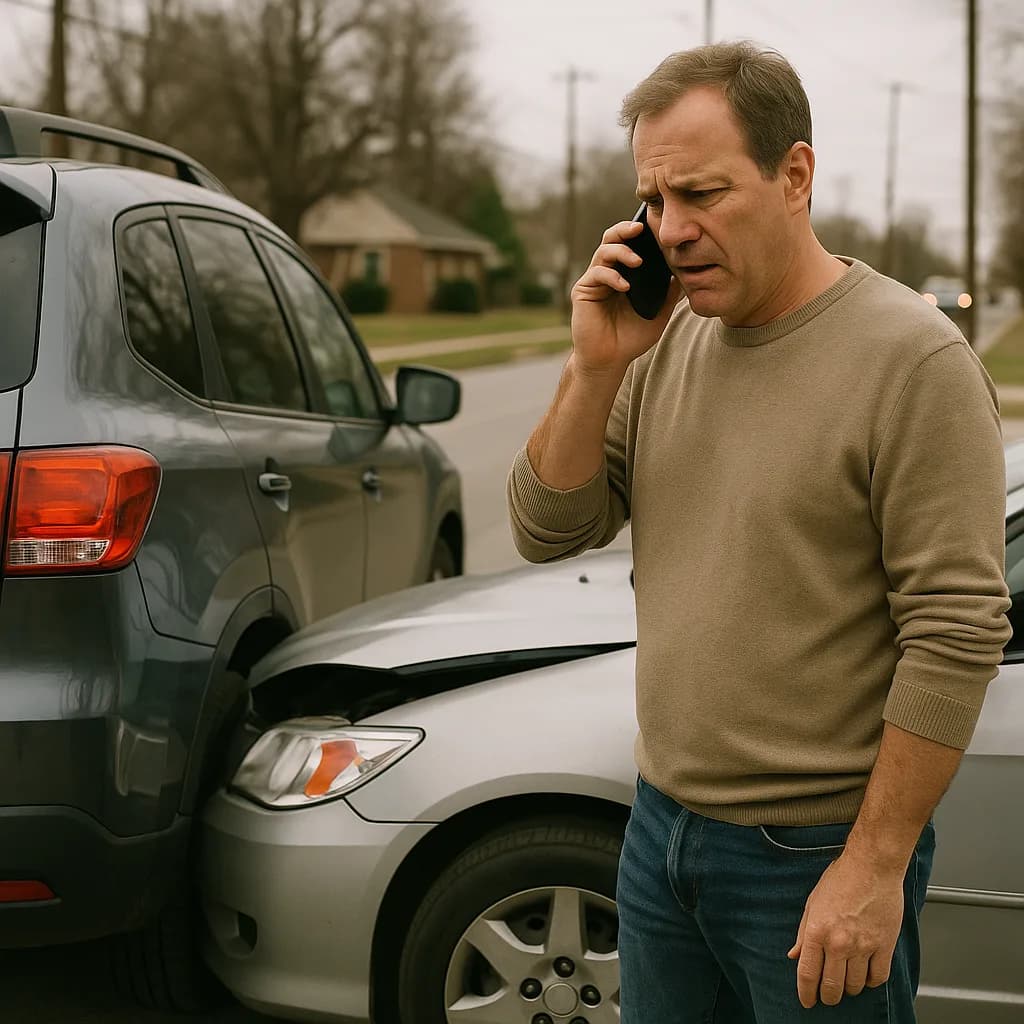
You caused an accident in Michigan—rear-ended someone at a stoplight, merged into another car, or misjudged a turn—and now your carrier sent a renewal notice showing a premium increase you didn't anticipate. The number is higher than you expected, or it arrived sooner than you thought it would, and you want to understand what just happened to your rate.
Michigan's no-fault insurance system creates a structural quirk most drivers miss: your at-fault accident affects your premium differently depending on whether it triggered a bodily injury liability claim or just property damage. The surcharge mechanics don't work the way they do in tort states, and that confusion is why your renewal notice looks the way it does.
Compare car insurance rates in your state
Get quotes from licensed carriers — no obligation, no spam, results in minutes.
Get Your Free QuoteMichigan Average Auto Premium
At-fault accidents push premiums well above that baseline, especially when bodily injury claims are involved.
NAIC Auto Insurance Database Report 2023
How Michigan's No-Fault System Changes Surcharge Mechanics
Michigan operates under a no-fault system: your own Personal Injury Protection (PIP) coverage pays your medical bills and lost wages after an accident, regardless of who caused it. But that doesn't mean fault disappears. When you cause an accident, your bodily injury liability coverage still pays for the other driver's injuries that exceed their PIP limits, and your property damage liability pays for their vehicle damage.
Carriers surcharge based on the claims filed against your liability coverages, not on the accident itself. A fender-bender with only property damage to the other car triggers a smaller surcharge than an accident where the other driver files a bodily injury claim. Most drivers assume all at-fault accidents produce the same rate increase—they don't.
The structural reality: Michigan's no-fault system reduces the frequency of bodily injury liability claims compared to tort states, but when those claims do happen, they signal higher risk to carriers. Your rate increase depends on which coverages paid out, not just that you were at fault.
Your surcharge is tied to the claim type filed against your liability coverages, not the accident severity you experienced at the scene.
What Triggers the Surcharge and When It Appears

If you cause an accident three months before your renewal and the claim closes quickly, the surcharge appears on that renewal notice. If the accident happens one month after renewal, you won't see the surcharge until the following year's renewal—12 months later. Carriers don't mid-term re-rate for accidents; they wait until renewal to apply the increase. Open claims delay the surcharge: if the other driver's bodily injury claim is still being negotiated at your renewal date, some carriers hold the surcharge until the next renewal when the claim resolves.
Michigan requires carriers to maintain your policy even after an at-fault accident, but they will re-rate you. The surcharge typically lasts three years from the accident date, not the renewal date when it first appeared. After three years, the accident drops off your record and your rate adjusts downward at the next renewal, assuming no new claims. Some carriers offer accident forgiveness programs that waive the first at-fault accident surcharge if you've been claim-free for a set period—usually five years—but those programs are optional endorsements you must purchase before the accident happens.
Related Articles




How Multiple Vehicles on One Policy Complicate the Surcharge
If you insure multiple vehicles on one policy, an at-fault accident on one car re-rates the entire policy, not just the vehicle involved. Carriers recalculate your household risk profile and apply the surcharge across all vehicles. The increase isn't split evenly: the vehicle you were driving when the accident happened typically sees the largest jump, but every car on the policy sees some increase because the carrier now views your household as higher risk.
This creates a compounding problem for multi-car households. If you have three cars on one policy and cause an accident in one of them, all three vehicles' premiums rise. The total annual increase can be substantial—often several hundred dollars across the policy—even though only one car was involved. Some drivers assume they can isolate the surcharge by moving the at-fault vehicle to a separate policy, but carriers share claim history across policies you hold with them, and moving the car doesn't erase the accident from your record.
The structural blocker: Michigan's competitive market means carrier appetite for post-accident drivers varies widely. Some carriers surcharge aggressively after a first at-fault accident; others offer accident forgiveness or smaller increases. If your current carrier's post-accident rate is unaffordable, you're not stuck—you can shop. But you must compare carriers that write Michigan policies and accept drivers with recent at-fault accidents, and not all do.
Michigan Uninsured Motorist Rate
22.3%
Nearly one in four Michigan drivers operates without insurance. At-fault accidents involving uninsured motorists complicate claims and can delay surcharge timing, because your carrier may pursue subrogation before closing the claim.
Insurance Research Council 2023
Which Carriers Write Post-Accident Policies in Michigan
After an at-fault accident, your current carrier will renew you but at a higher rate. Shopping other carriers often produces a better outcome. Progressive, Geico, Farmers, and National General all write Michigan policies for drivers with recent at-fault accidents. Progressive and Geico offer online quotes; Farmers and National General require agent contact but often quote competitively for multi-car households with accident history.
Some preferred-tier carriers—State Farm, Allstate, and Auto-Owners—also write post-accident policies but may not offer their lowest rates until the accident ages past the three-year window. If you have multiple vehicles, compare total policy cost across carriers, not per-vehicle rates. A carrier that quotes higher for one car may still beat your current total premium when all vehicles are included, especially if they offer a multi-car discount your current carrier doesn't.
Compare Carriers That Write Your Household Structure
Your at-fault accident is now part of your record for three years. The surcharge your current carrier applied is not the only option available to you. Michigan's market includes carriers that specialize in post-accident drivers and others that offer accident forgiveness programs you can add before your next incident. If you insure multiple vehicles, the total policy cost matters more than the per-vehicle rate, because the surcharge affects every car on your policy.
Request quotes from at least three carriers that write Michigan multi-car policies and accept drivers with recent at-fault accidents. Provide the accident date, the claim type (property damage only or bodily injury), and the number of vehicles you're insuring. Compare the total annual premium across all cars, not just the vehicle involved in the accident. Some carriers will quote lower than your current post-surcharge rate; others won't. The only way to know is to compare.